By DLOOK Fashion Editor Team | Published on July 10, 2026
When the weather can not decide between crisp mornings and warm afternoons, your wardrobe should not leave you guessing. Transitional layering is the art of building outfits that adapt to shifting temperatures without sacrificing style. Whether you are navigating spring's unpredictable chill or fall's gradual cool-down, mastering DLOOK layering techniques means never feeling over-dressed or under-prepared again.
According to fashion industry analysis, consumers search for layering techniques most frequently during seasonal change periods, with search volume for terms like "how to layer clothes" and "layering outfits" peaking by up to 40% in early spring and early autumn. The DLOOK Fashion Editor Team has analyzed thousands of weather-responsive outfits to bring you this comprehensive guide.
What Is Transitional Layering and Why It Matters
Transitional layering refers to the strategic combination of clothing pieces that can be added or removed as temperatures fluctuate throughout the day. Unlike winter layering, which prioritizes warmth above all, transitional layering balances thermal regulation with aesthetic cohesion.
As noted by The Guardian Fashion, the modern approach to layering has evolved from pure function into a form of self-expression. Today's layering emphasizes texture mixing, proportion play, and color harmony.
The key difference between casual stacking and intentional layering is structure. A well-layered outfit considers:
Base layers that breathe
Mid-layers that provide adaptable warmth
Outer layers that protect without overwhelming
Accessories that bridge the gap between seasons
For women seeking transitional layering outfits, the goal is to create a silhouette that reads as intentional, not accidental. This guide will show you exactly how to achieve that.
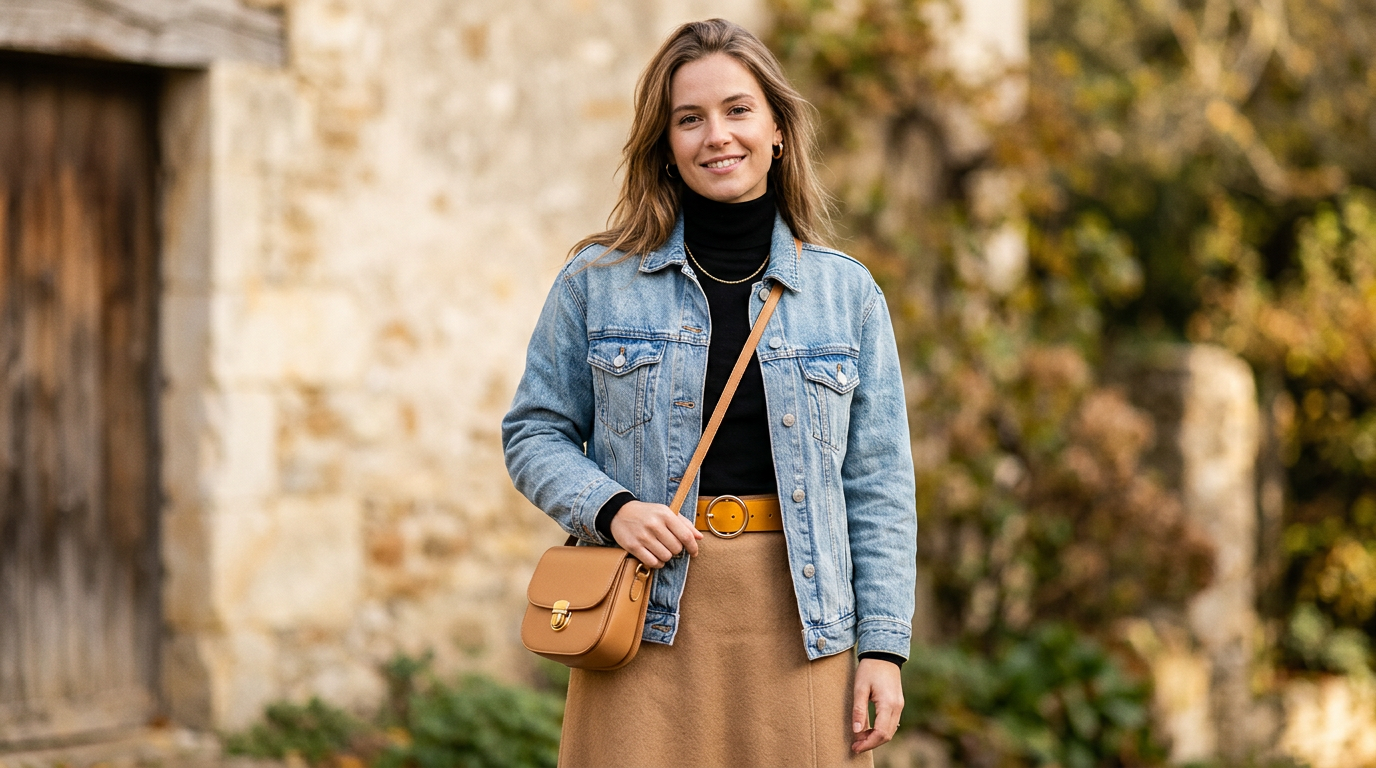
The 5 Golden Rules of Effortless Layering
Before diving into specific outfit formulas, these foundational principles from the DLOOK Fashion Editor Team will ensure every layered look feels polished:
1. Start with a Breathable Base
Your base layer should be the thinnest and most moisture-wicking piece. Cotton, silk, and lightweight merino wool are ideal choices. A fitted tank top, thin turtleneck, or classic white tee serves as the anchor of any great layered outfit.
2. Mix Textures, Not Just Colors
One of the most effective ways to elevate layering outfits is through texture mixing. Pair smooth silk with chunky knits, crisp denim with soft cashmere, or structured leather with flowing chiffon. This contrast creates visual interest even in monochromatic palettes.
3. Master the Proportion Game
Layering adds visual bulk by definition, but the goal is to avoid looking bulky. The secret lies in proportion: pair oversized outer layers with fitted bases, or balance wide-leg trousers with a cropped jacket. The "rule of thirds" applies beautifully here. Avoid layering multiple oversized pieces simultaneously.
4. Build Around a Cohesive Color Palette
Neutral color palettes dominate successful transitional wardrobes. Think camel, beige, cream, navy, charcoal, and black. These tones mix effortlessly and create a sophisticated foundation. Add one accent color per outfit to maintain cohesion without monotony.
5. Choose Lightweight Layering Pieces for Spring
When temperatures hover between 50 degrees F and 70 degrees F, lightweight layering pieces for spring become essential. Unlined blazers, denim jackets, thin cardigans, and trench coats offer just enough coverage without overheating. Look for natural fibers that breathe as the day warms.
12 Outfit Formulas for Every Season
Here are twelve expert-approved formulas from the DLOOK Fashion Editor Team, organized by seasonal transition. Each formula is designed to be mixed, matched, and adapted to your personal style.
Spring Transitional Layering (March to May)
Formula 1: The Trench and Knit Combo
Base: Thin cotton turtleneck in cream
Mid: Lightweight merino sweater
Outer: Classic beige trench coat
Bottom: Straight-leg jeans
Finish: Leather ankle boots + silk scarf
This combination epitomizes spring summer transitional fashion. The trench coat provides wind protection while the knit layers can be removed as temperatures rise past noon.
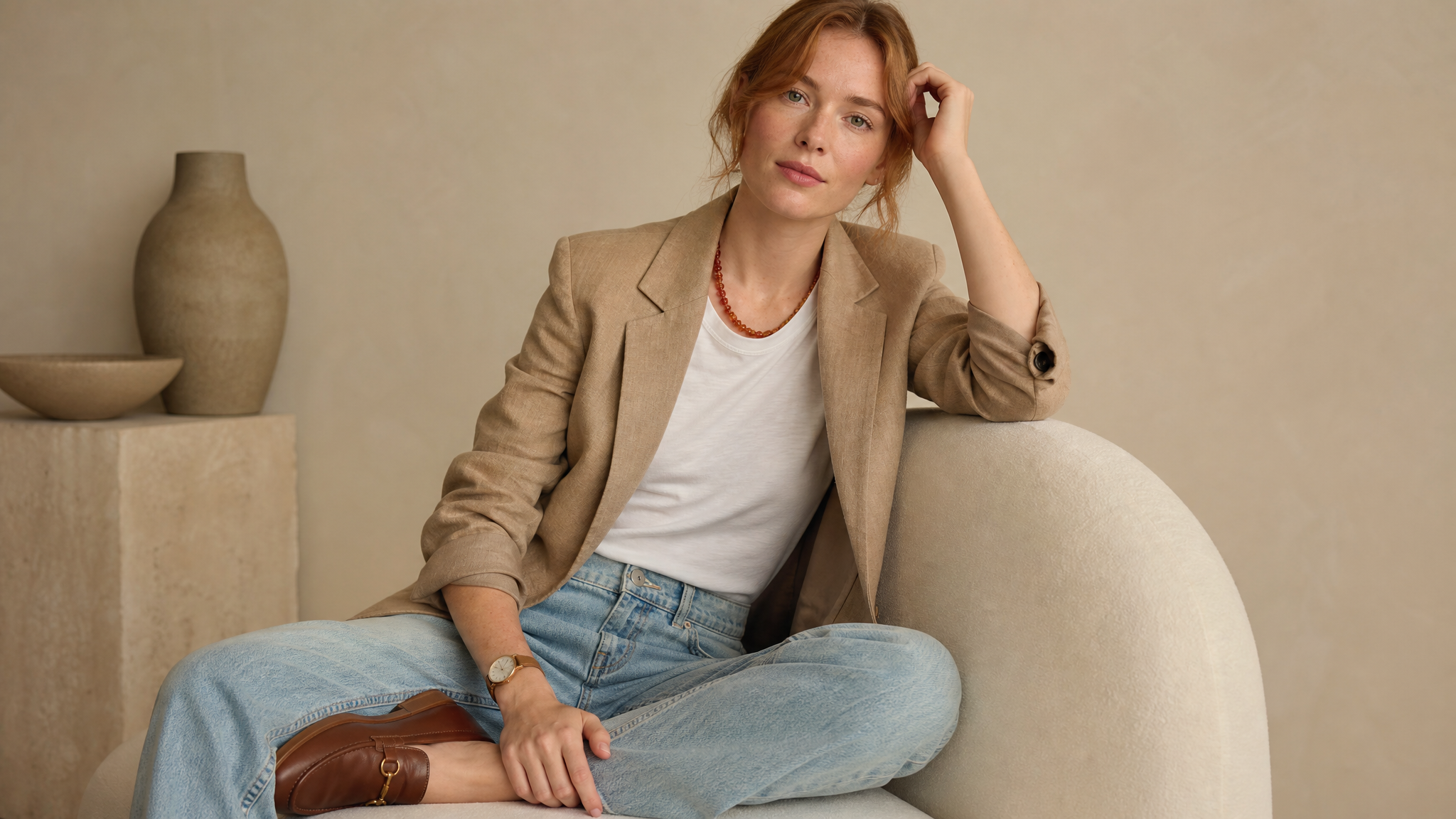
Formula 2: The Blazer and Tee Layer
Base: Fitted white t-shirt
Outer: Oversized linen blazer in camel
Bottom: Cropped wide-leg trousers
Finish: Minimal gold jewelry + loafers
Perfect for office-to-evening transitions, this look proves that how to layer clothes for work does not require sacrificing personality.
Formula 3: The Denim-on-Denim Refresh
Base: Silk camisole
Mid: Fine-gauge cardigan
Outer: Medium-wash denim jacket
Bottom: Dark denim or white jeans
Finish: White sneakers + structured tote
Layering different denim washes creates depth while the silk base adds an unexpected elegant touch.
Summer-to-Fall Layering (August to September)
Formula 4: The Slip Dress Revival
Base: Silk slip dress
Layer: Thin turtleneck underneath
Outer: Cropped leather jacket
Finish: Ankle boots + crossbody bag
Transforming summer dresses into fall staples is one of the smartest capsule wardrobe layering essentials strategies.
Formula 5: The Shirt Under Sweater
Base: Crisp white button-down
Outer: Sleeveless knit vest or sweater
Bottom: Pleated midi skirt
Finish: Knee-high boots + belt
This preppy classic works because the collar and cuffs add structured detail that elevates the entire look.
Formula 6: The Utility Jacket Layer
Base: Lightweight cotton tee
Outer: Olive or tan utility jacket
Bottom: Straight-leg chinos
Finish: Canvas sneakers + canvas tote
Utility jackets are transitional layering heroes. They add structure without weight and pair with almost everything.
Fall Transitional Layering (September to November)
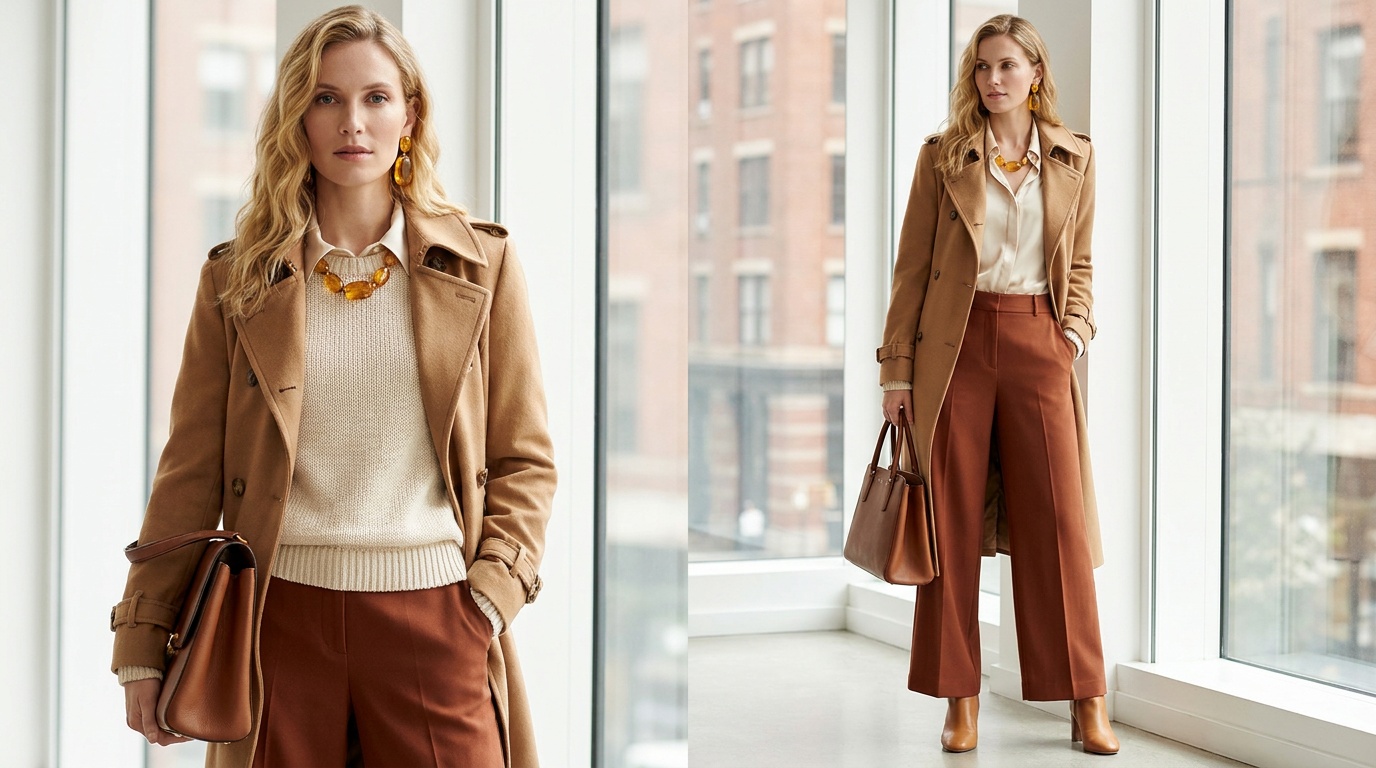
Formula 7: The Cashmere and Coat Ensemble
Base: Long-sleeve fitted tee
Mid: Cashmere crewneck sweater
Outer: Wool overcoat in camel or charcoal
Bottom: Tailored trousers or dark jeans
Finish: Leather gloves + structured handbag
This is the quintessential layering outfits look for peak fall. Cashmere provides warmth without bulk, while the wool coat seals in heat.
Formula 8: The Turtleneck Under Dress
Base: Thin black turtleneck
Outer: Sleeveless midi dress (summer dress repurposed)
Finish: Tights + heeled boots + statement earrings
This layering technique extends your dress wardrobe by at least two seasons. The key is keeping the turtleneck fitted and the dress silhouette clean.
Formula 9: The Structured Blazer Over Knit
Base: Silk blouse
Mid: Fine-knit cashmere sweater
Outer: Structured blazer in navy or black
Bottom: Cigarette trousers
Finish: Pointed-toe flats + delicate necklace
This formula proves that how to layer without looking bulky is all about choosing thin, high-quality knits rather than chunky ones.
Winter-to-Spring Layering (February to March)
Formula 10: The Cardigan and Coat Combo
Base: Breton striped tee
Mid: Longline cardigan
Outer: Wool coat or puffer
Bottom: Slim jeans or corduroys
Finish: Ankle boots + beret
As winter thaws, this combination lets you shed the outer coat by midday while still feeling appropriately dressed.
Formula 11: The Hoodie Under Tailored Coat
Base: Lightweight hoodie in neutral tone
Outer: Single-breasted wool overcoat
Bottom: Tapered trousers or premium joggers
Finish: Chunky sneakers + beanie
This high-low mix bridges streetwear and sophistication, perfect for casual creative workplaces.
Formula 12: The Vest Layering System
Base: Long-sleeve thermal tee
Mid: Quilted or puffer vest
Outer: Trench coat or rain jacket
Bottom: Straight-leg jeans
Finish: Chelsea boots + leather backpack
Vests are underrated layering tools. They keep your core warm while allowing full arm mobility and reducing bulk.
Capsule Wardrobe Layering Essentials
If you are building a minimalist wardrobe, these capsule wardrobe layering essentials provide maximum versatility with minimum pieces:
3 Base Tops: White fitted tee, thin black turtleneck, silk camisole
2 Mid-Layers: Fine-gauge cashmere sweater, lightweight cardigan
3 Outer Layers: Trench coat, denim jacket, wool overcoat or blazer
2 Bottoms: Straight-leg jeans, tailored trousers or midi skirt
2 Pairs of Shoes: Ankle boots, white sneakers or loafers
Accessories: Silk scarf, leather belt, structured tote
With just these twelve pieces, you can create over thirty distinct outfits. The key is choosing neutral, complementary tones and investing in quality fabrics that layer well together. Natural fibers like cotton, silk, wool, and cashmere breathe better and drape more elegantly than synthetics.
For mix textures layering outfit ideas, combine matte and shiny finishes, rough and smooth surfaces, and structured with fluid silhouettes. A chunky knit against sleek leather, or crisp poplin under soft cashmere, creates the sophisticated contrast that defines expert layering.
How to Layer Without Looking Bulky: A Stylist's Final Tips
The most common layering mistake is adding volume at every level. The DLOOK Fashion Editor Team recommends these final strategies for streamlined silhouettes:
Thin to Thick: Always progress from thinnest fabric closest to your skin to thicker fabrics outward.
One Statement Piece: Limit yourself to one oversized or bulky item per outfit. If the coat is oversized, keep everything else fitted.
Define the Waist: Use belts, tucked-in bases, or cropped jackets to maintain a visible waistline.
Roll with Intention: Pushing sleeves or rolling cuffs shows deliberate styling rather than hiding poor fit.
Check the Mirror from All Angles: A layered outfit that looks great from the front may create unwanted bulk from the side.
Remember that transitional layering outfits women search for most often solve the same problem: staying comfortable while looking intentional. These formulas achieve exactly that.
Build Your Perfect Layered Look with DLOOK
Mastering transitional layering takes practice, but you do not have to figure it out alone. DLOOK is an AI Outfit Stylist App that analyzes your wardrobe, local weather, and personal style preferences to recommend the perfect layered outfit every morning.
Whether you are dressing for a 45 degrees F morning that turns into a 70 degrees F afternoon, or navigating the unpredictable days between winter and spring, DLOOK helps you layer with confidence. Download the app today and transform how you approach your wardrobe:
Frequently Asked Questions About Transitional Layering
What is transitional layering?
Transitional layering is the practice of wearing multiple clothing pieces that can be added or removed as temperatures change during seasonal transitions. Unlike winter layering, which focuses purely on warmth, transitional layering balances temperature regulation with style and comfort.
How do you layer clothes without looking bulky?
To layer without looking bulky, follow the "thin to thick" rule: start with the thinnest fabric against your skin and add progressively thicker pieces. Limit yourself to one oversized item per outfit, define your waistline with belts or tucking, and choose high-quality natural fibers that drape well.
What are the best lightweight layering pieces for spring?
The best lightweight layering pieces for spring include unlined blazers, denim jackets, thin cardigans, trench coats, and lightweight knit sweaters. Look for natural fibers like cotton, linen, and fine merino wool that breathe well and can be easily removed as temperatures rise.
What is a capsule wardrobe for layering?
A capsule wardrobe for layering is a curated collection of versatile pieces that can be combined in multiple ways. Essential items include fitted base layers, fine-knit mid-layers, and adaptable outer layers in neutral colors. With approximately twelve to fifteen pieces, you can create over thirty outfits.
How does DLOOK help with transitional layering?
DLOOK is an AI Outfit Stylist App that recommends weather-responsive layered outfits based on your wardrobe, local forecast, and personal style preferences. The app helps you choose the right pieces for fluctuating temperatures and discover new ways to combine items you already own.
By DLOOK Fashion Editor Team. Expert advice for modern dressing. For more styling guides and personalized outfit recommendations, explore DLOOK.