Have you ever tried on a shirt that made your eyes pop and your skin glow—only to wear the same style in a different shade the next day and look completely washed out? That is not a coincidence. It is the science of seasonal color analysis at work.
Seasonal color analysis is a proven styling framework that matches your unique skin tone, hair color, and eye color to one of four seasonal palettes: Spring, Summer, Autumn, or Winter. When you wear colors from your "season," your complexion looks brighter, your features appear sharper, and you radiate confidence without a drop of makeup. When you stray too far from it, shadows, blemishes, and uneven tone become more visible. In short, the right colors do not just make you look good—they make you look healthy.
For decades, color analysis required an expensive in-person consultation with a stylist holding fabric swatches under your chin. In 2026, AI-powered apps like DLOOK have democratized the process, letting anyone discover their best palette in seconds using only a smartphone camera. This guide will walk you through the four seasons, explain how AI analyzes your undertones, and show you exactly how to use DLOOK to unlock your personal palette today.
The Four Seasonal Palettes Explained
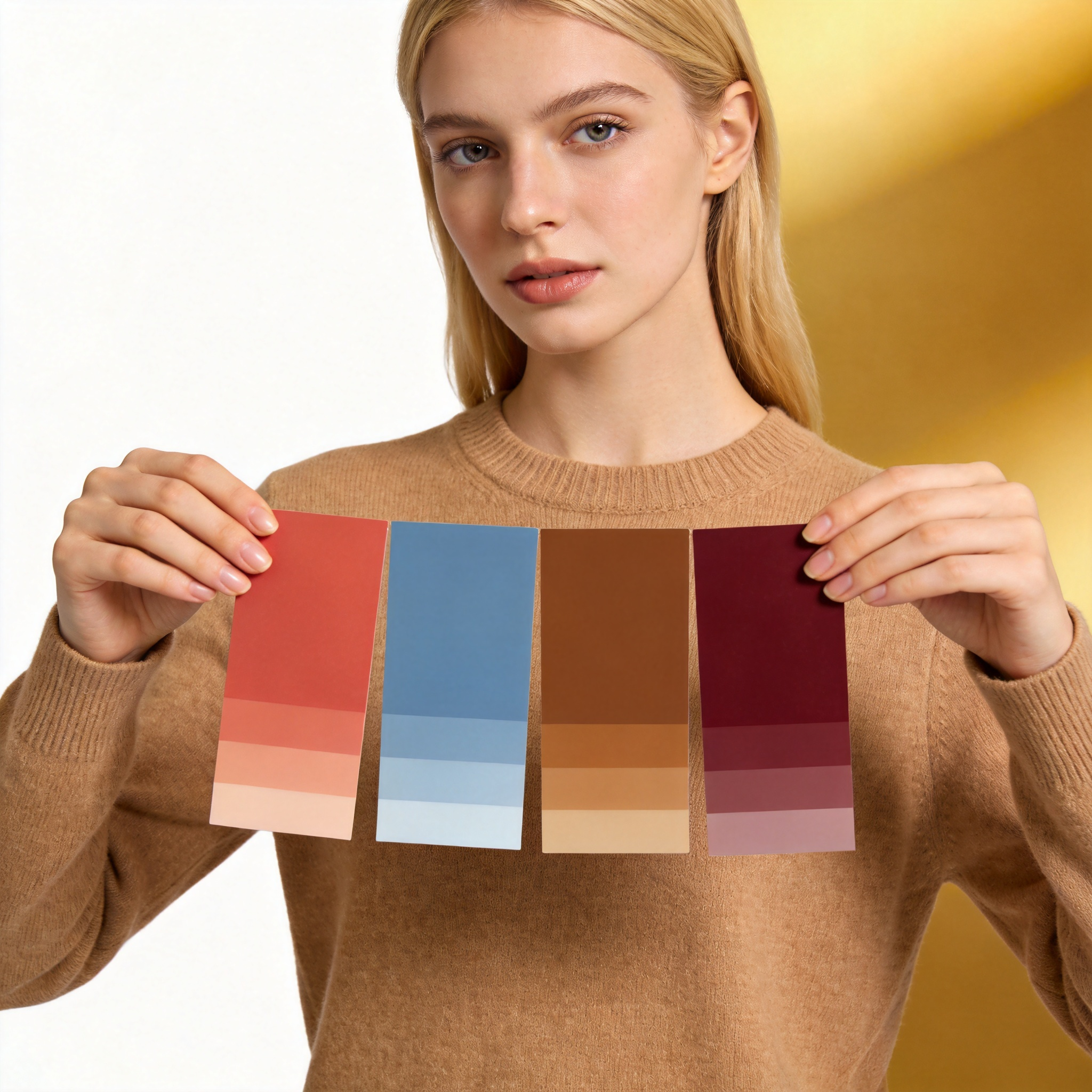
Each season is defined by two core traits: temperature (warm vs. cool) and value (light vs. dark). Understanding where you fall on these axes is the first step toward effortless style. Below is a detailed breakdown of every season, including defining characteristics, power colors, and practical outfit formulas.
Spring: Warm & Light
Who you are: Springs typically have warm undertones (golden, peachy, or yellow-based), light to medium hair ranging from strawberry blonde to golden brown, and eyes that are bright blue, green, hazel, or warm brown. Your natural coloring gives you a fresh, luminous, and energetic appearance.
Your power palette: Think of a blooming garden—warm corals, salmon pinks, peach, golden yellow, spring green, and warm turquoise. Ivory and warm beige flatter you far more than stark white or jet black. Metals should lean yellow: gold, brass, and rose gold are your best friends.
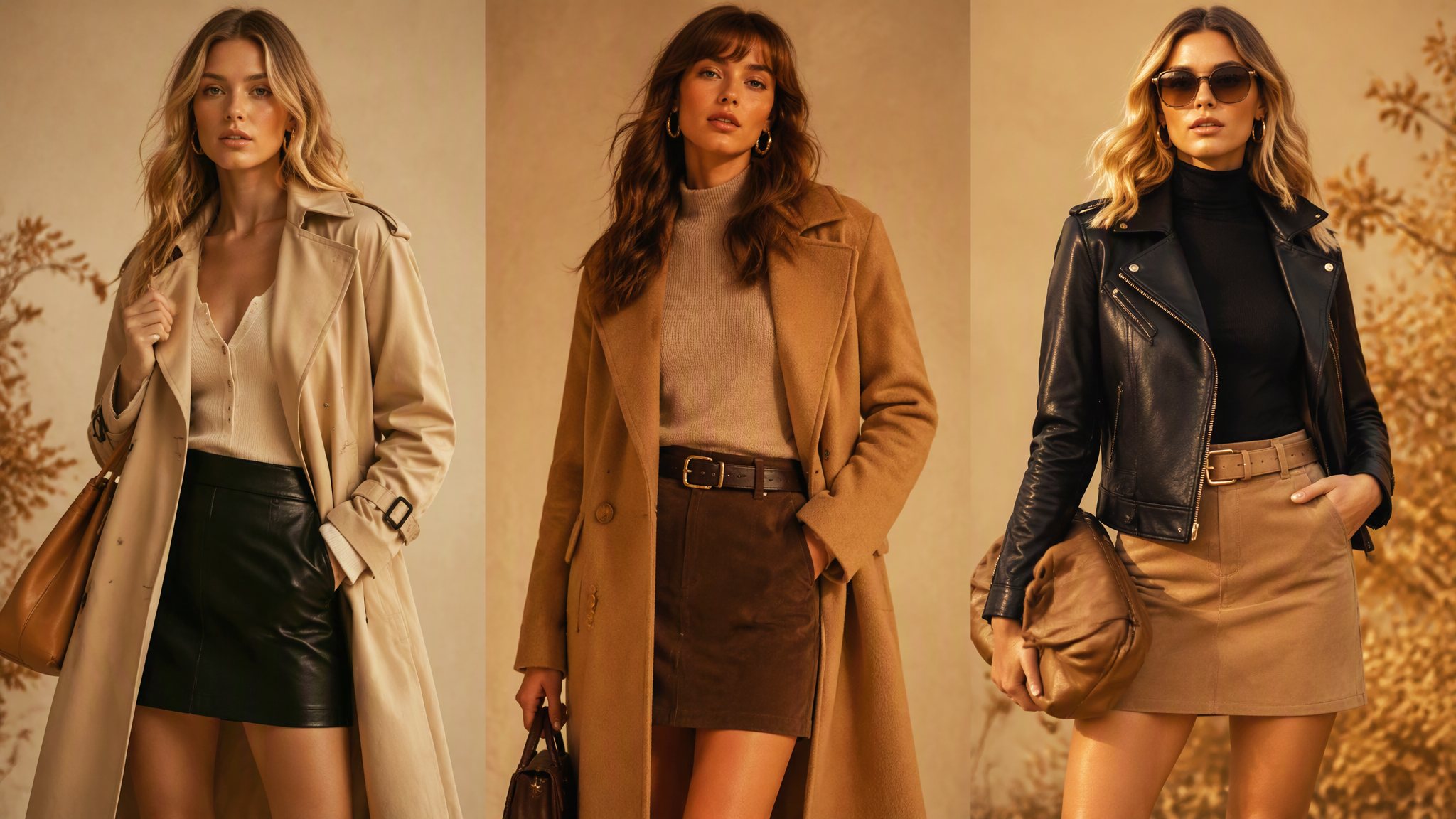
How to wear it: A peach linen blazer over an ivory camisole with camel trousers is a flawless Spring office look. For weekends, pair a coral knit top with white jeans and tan sandals. Avoid cool, dusty colors like slate gray or icy blue; they will clash with your natural warmth and make you look tired.
Summer: Cool & Light
Who you are: Summers have cool undertones (pink, blue, or red-based), ash-blonde, mousy brown, or silver hair, and eyes that are soft blue, gray-blue, gray-green, or cool hazel. Your overall impression is gentle, refined, and elegant.
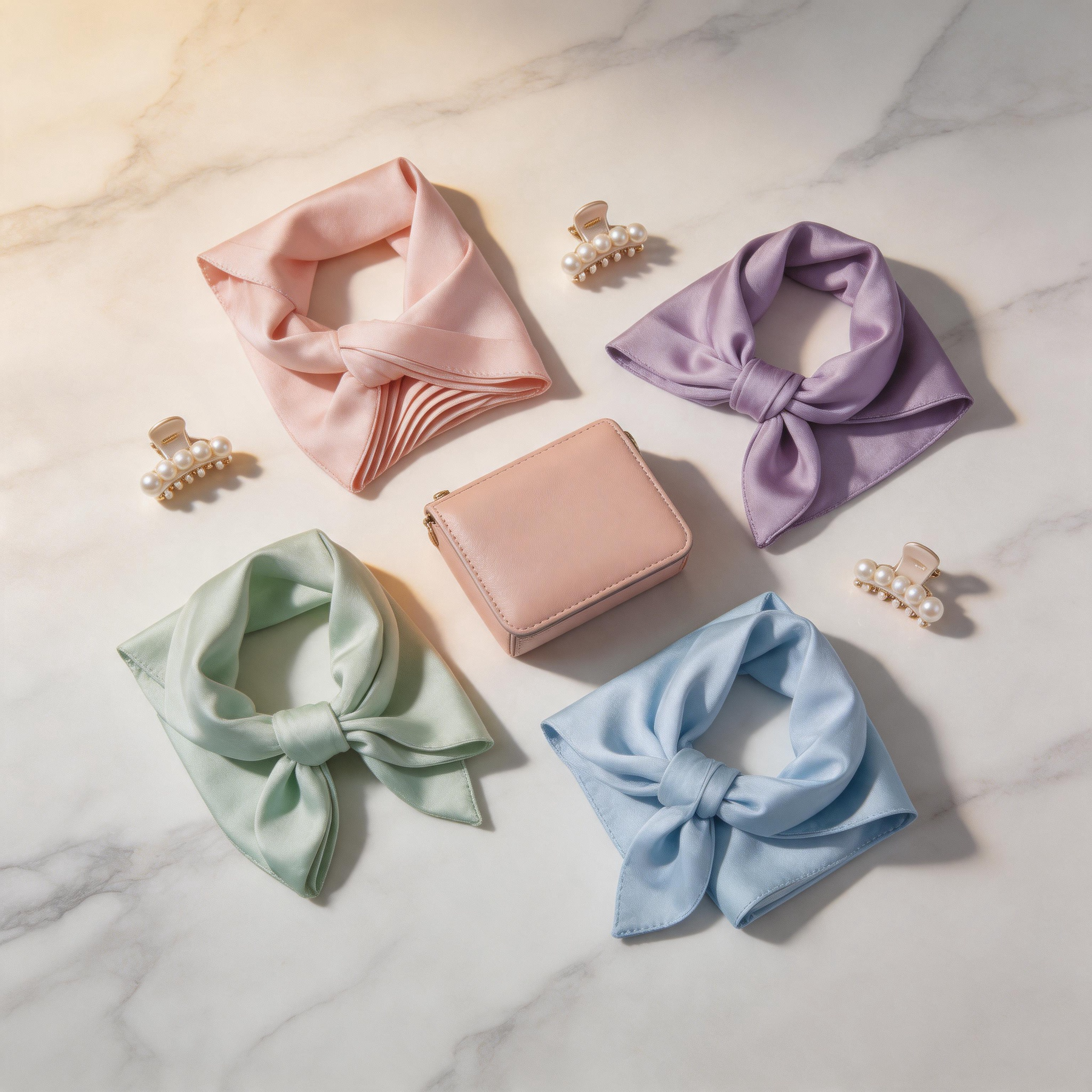
Your power palette: Imagine a misty shoreline—powder blue, dusty rose, lavender, soft fuchsia, sage green, and cool gray. Off-white and soft navy work better than pure white or harsh black. Silver, white gold, and platinum jewelry complement your cool undertones perfectly.
How to wear it: A powder-blue cashmere sweater with light gray wool trousers and silver loafers is peak Summer sophistication. For casual days, a dusty-rose tee with white denim and slate sneakers feels effortless. Avoid warm oranges, bright yellows, and earthy browns; they will overpower your delicate coloring and create visual disharmony.
Autumn: Warm & Deep
Who you are: Autumns possess rich, warm undertones (golden, bronze, or olive), hair that is deep auburn, chestnut brown, or dark golden blonde, and eyes in earthy shades of olive green, deep hazel, warm brown, or dark amber. You exude warmth, depth, and natural sophistication.
Your power palette: Picture a harvest festival—rust, burnt orange, mustard yellow, olive green, forest green, chocolate brown, camel, and deep teal. Cream and warm taupe flatter you more than stark white. Gold, copper, and bronze accessories enhance your earthy richness.
How to wear it: An olive-green trench coat over a mustard knit dress with cognac boots is a timeless Autumn combination. For the office, try a rust blouse with dark-wash denim and camel heels. Avoid neon brights, cool pastels, and true black; they flatten your natural depth and make your complexion look sallow.
Winter: Cool & Deep
Who you are: Winters have cool undertones (blue or red-based), striking contrasts between hair, skin, and eyes, and often feature black, dark brown, silver, or platinum hair. Your eyes are typically deep brown, icy blue, emerald green, or intense hazel. You have a bold, dramatic, and high-contrast presence.
Your power palette: Think of a crisp arctic night—true black, pure white, jewel tones like emerald green, sapphire blue, ruby red, amethyst purple, and icy silver. Stark white and jet black are your neutral anchors. Silver, white gold, and platinum jewelry amplify your crisp, modern edge.
How to wear it: A tailored black suit with a crisp white shirt and ruby-red pumps is a power move made for Winters. For evening, an emerald velvet dress with silver statement earrings is unforgettable. Avoid warm beiges, soft pastels, and earthy browns; they mute your natural drama and make you look faded rather than fierce.
How AI Color Analysis Works
Traditional color analysis relies on a trained consultant comparing physical fabric swatches to your skin under controlled lighting. It is effective, but it is also subjective, expensive, and inaccessible to most people. AI color analysis changes the game entirely.
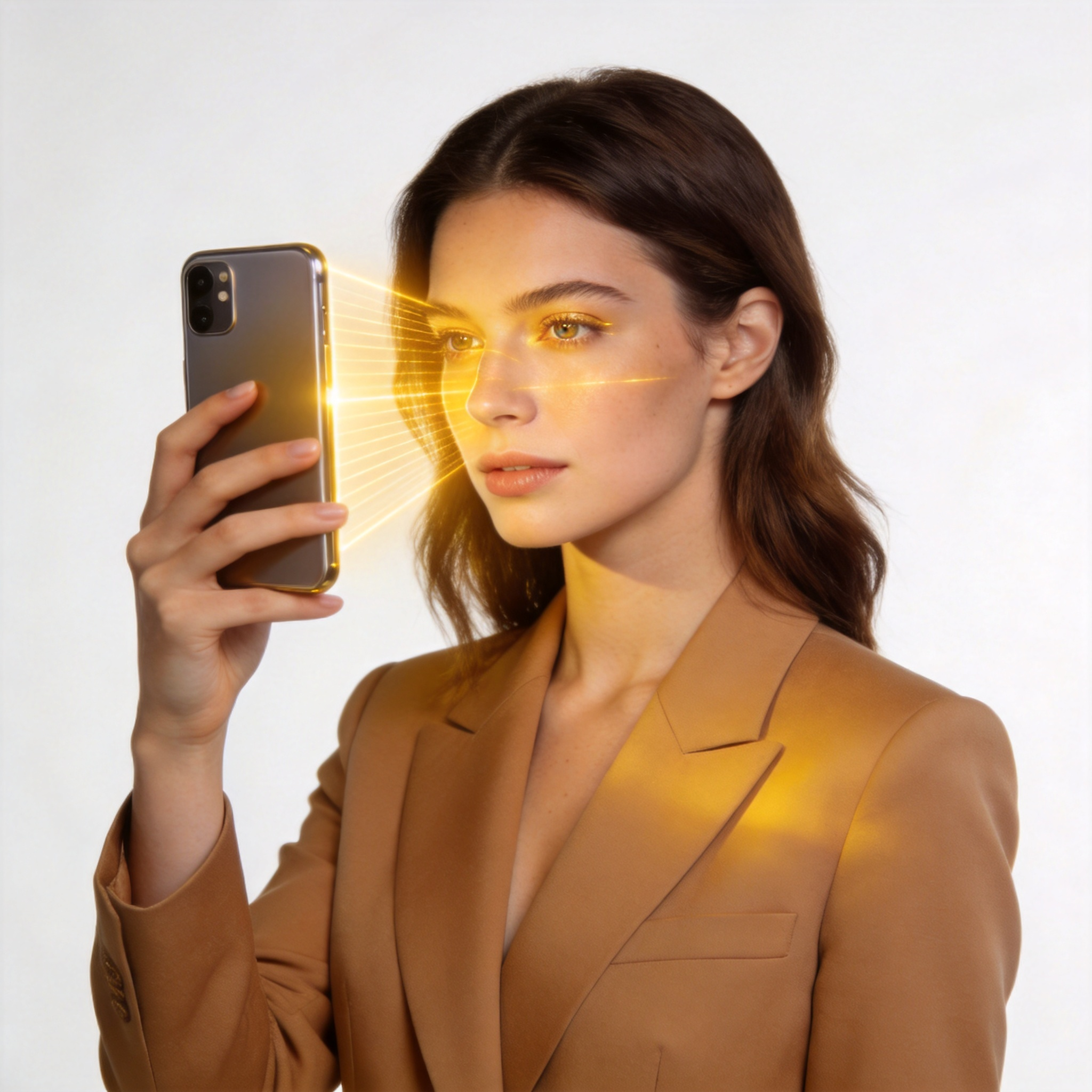
Modern AI systems, like the one built into DLOOK, use advanced computer vision and machine learning to decode your coloring with clinical precision. Here is what happens under the hood when you scan your face:
1. Facial Detection & Skin Sampling
The AI identifies key facial landmarks—forehead, cheeks, and jawline—and extracts thousands of color data points from your skin. It is not looking at blemishes or makeup; it is analyzing the underlying undertone by measuring hue, saturation, and lightness values that the human eye cannot reliably distinguish alone.
2. Contrast & Feature Analysis
The algorithm evaluates the contrast ratio between your skin, hair, and eyes. High contrast (e.g., dark hair + fair skin) strongly suggests Winter; low contrast with warm hues points toward Spring or Autumn. This step mimics the logic of traditional analysis but executes it at machine speed.
3. Seasonal Classification
Using a trained model built on thousands of validated color-season profiles, the AI maps your measurements to the closest seasonal archetype. It does not just guess—it calculates probability scores for each season and presents the best match, often including sub-seasonal variants (like Bright Winter or Soft Summer) for even finer tuning.
The entire process takes under three seconds and requires no appointment, no studio lights, and no swatches. Just you, your phone, and science.
How to Test Your Color Season on DLOOK
Ready to discover your season? Follow these simple steps:
Step 1: Download the App
Get DLOOK for free from the App Store or Google Play. Create a quick profile so the AI can personalize your recommendations.
Step 2: Find Natural Light
Stand facing a window during daylight hours. Avoid direct sunlight, overhead yellow bulbs, or fluorescent lighting—color temperature from your environment can skew the scan. A cloudy afternoon or a north-facing window provides the most neutral light.
3. Remove Makeup & Glasses
Wipe off foundation, tinted moisturizer, and bronzer so the AI reads your true skin. Remove glasses to eliminate frame shadows on your cheeks. If you dye your hair, do not worry—the AI primarily reads skin undertone, which hair color rarely masks completely.
Step 4: Scan Your Face
Open the color-analysis feature, hold your phone at arm's length, and center your face in the guided frame. The scan completes in 2–3 seconds.
Step 5: Review Your Results
DLOOK will reveal your primary season and show you a curated palette of your best colors. Tap any shade to see it applied to clothing suggestions, makeup filters, and virtual try-on overlays. You can retake the scan anytime if your lighting was off.
Pro tip: Retake the scan in different lighting conditions (morning vs. evening) to confirm consistent results. If the app labels you a Bright Winter three times in a row, trust it.
Wardrobe Optimization by Season
Knowing your season is only half the battle—applying it is where the magic happens. Use this quick framework to audit your closet:
Keep: Anything in your seasonal palette that fits well and makes you feel confident.
Donate: Pieces in clashing seasons that consistently make you look tired or washed out. If that mustard sweater never felt right and you are a Summer, it is time to let it go.
Buy with purpose: Prioritize tops, scarves, and accessories near your face—these have the biggest visual impact. For bottoms and shoes, neutral season-friendly shades offer more flexibility.
Create a capsule palette: Select 3–4 core colors from your season, plus 2 neutrals and 1 accent shade. This gives you dozens of mix-and-match outfits without decision fatigue.
Over time, your wardrobe will naturally align with the shades that love you back, making every morning faster and every mirror check more satisfying.
Frequently Asked Questions
Can my season change over time?
Your underlying undertone is genetic and does not change. However, aging, tanning, hair dye, or graying hair can alter your surface appearance. If your coloring shifts significantly, a fresh AI scan will confirm whether your best palette has evolved.
Is seasonal color analysis only for women?
Not at all. Men benefit equally—knowing whether you are a Spring or a Winter helps you choose suits, ties, shirts, and even eyeglass frames that sharpen your appearance. The principles apply universally.
What if I fall between two seasons?
Many people are "blended" or lean toward a sub-season (e.g., Soft Summer vs. Light Summer). DLOOK's AI often provides a primary result plus a secondary influence, giving you a wider range of flattering options to experiment with.
Can I still wear black if I am not a Winter?
Absolutely. Black is a wardrobe staple, but if you are a Spring or Autumn, wear it away from your face—as trousers, belts, or shoes. Near your face, swap it for charcoal, deep brown, or navy to avoid looking drained.
How accurate is AI color analysis compared to in-person consultants?
Independent tests show top-tier AI color analysis matches human expert results in over 90% of cases. The remaining variance usually comes from lighting conditions during the scan, which is why DLOOK recommends natural daylight and allows instant retakes.
Conclusion
Seasonal color analysis is one of the simplest yet most transformative styling tools available. By understanding whether you are a warm Spring, a cool Summer, a rich Autumn, or a bold Winter, you can make smarter shopping decisions, streamline your wardrobe, and walk out the door every day looking like the best version of yourself.
And thanks to AI, the process is now faster, free, and more accessible than ever. Download DLOOK today, scan your face in natural light, and discover the palette that was made for you. Your perfect colors are waiting.