Author: DLOOK Fashion Editor Team | Published: June 4, 2026
Stop buying clothes that never leave your closet. In 2026, plus-size shoppers in the US waste an average of $1,200 per year on items that do not fit, do not flatter, or do not match anything else they own. That is not a lack of taste—it is a broken shopping process.
This guide is a complete, actionable system to cut that waste by 60% or more. It works for both women and men. It covers capsule wardrobes, color formulas, thrift and budget-brand shopping, and how AI tools like DLOOK remove the guesswork before you spend a single dollar.
Why Plus-Size Styling Costs More Than It Should
Plus-size clothing has historically carried a "curve tax." Limited inventory, higher markups, and fewer brick-and-mortar fitting rooms mean that mistakes are expensive. A Statista market report notes that the US plus-size apparel market now exceeds $24 billion, yet shoppers still report the highest return rates in fashion. The reason is simple: buying without seeing the outfit on your body first is a gamble, and the house usually wins.
The solution is not to stop buying clothes. It is to build a system that makes every purchase intentional.
Part 1: The 10-Piece Capsule Wardrobe That Saves You $800 a Year
A capsule wardrobe is a small collection of pieces that all work together. The goal is not minimalism for its own sake; it is to reduce the number of "orphan" items that require a new purchase to be wearable.
For plus-size women and men, the capsule below covers 90% of daily scenarios. It is split into tops, bottoms, layers, and accessories. Every item is chosen for its ability to pair with at least three other items in the list.
Women's Capsule Essentials
1. Structured Wrap Dress — Torrid ($45–$65) or Universal Standard ($60–$90). Works for office, dinner, and weekend brunch.
2. High-Waist Dark Jeans — Good American ($80–$120) or Old Navy Plus ($25–$40). The dark wash makes them interchangeable with nearly any top.
3. Classic White Button-Down — Nordstrom Rack Plus ($30–$55). Tuck, half-tuck, or wear open over a tank.
4. Breton Stripe Tee — ASOS Curve ($18–$28). A timeless pattern that draws the eye vertically.
5. Midi-Length Cardigan — Target Ava & Viv ($22–$35). Adds length and structure without bulk.
6. Black Ponte Pants — Universal Standard ($55–$75). Office-appropriate, travel-friendly, and machine-washable.
7. Neutral Blazer — Eloquii ($70–$100) or thrifted. Instantly elevates any tee or tank.
8. Fitted Turtleneck — Old Navy Plus ($15–$25). Layering hero; works under dresses, blazers, and jumpsuits.
9. Versatile Jumpsuit — Good American ($90–$130) or Fashion to Figure ($40–$60). One-piece dressing that removes matching decisions.
10. White Leather Sneakers + Chunky Loafers — Sam Edelman or Dr. Scholl's ($50–$90). Two shoes cover casual, smart-casual, and light business settings.
Men's Capsule Essentials
1. Dark Straight-Leg Chinos — Dockers Big & Tall ($35–$55) or ASOS Plus ($25–$40).
2. Heavyweight Crew-Neck Tees (2-pack) — Uniqlo U ($15–$20 each). Thick cotton holds its shape and hides underlayers.
3. Oxford Cloth Button-Down — J.Crew Mercantile ($40–$60) or Charles Tyrwhitt ($35–$50).
4. Merino Wool V-Neck Sweater — Nordstrom Rack ($40–$60). Warmth without bulk; works over collared shirts and under blazers.
5. Navy Blazer — Bonobos Extended ($120–$180) or thrifted. The single most versatile layer in menswear.
6. Dark Indigo Jeans — Levi's 541 or 559 ($50–$80). Athletic fit with room in the seat and thigh.
7. Quilted Bomber Jacket — H&M Big & Tall ($40–$60) or Universal Standard ($50–$70).
8. Charcoal Turtleneck — Uniqlo ($30–$40). Winter layering that replaces scarves.
9. Minimalist White Sneakers — New Balance 550 or Adidas Samba ($80–$100).
10. Brown Leather Belt + Classic Watch — Fossil or Timex ($40–$80). Accessories that pull together casual outfits.
The combined cost of these 10 items is roughly $400–$600 per gender. By comparison, the average American shopper spends $1,800 annually on clothing, much of which sits unworn. If you commit to these 10 pieces and add only two seasonal accent items per year, you cut spending by roughly $800–$1,000 while increasing the number of wearable combinations from 30 to over 120.
Part 2: The 3-Color Formula That Eliminates "Return Guilt"
The most expensive mistake in fashion is buying a color that does not work with your existing wardrobe. Returns cost time, shipping fees, and mental energy. A simple color system prevents this.
Rule 1: 60 / 30 / 10
Apply this ratio to every outfit and to your closet as a whole:
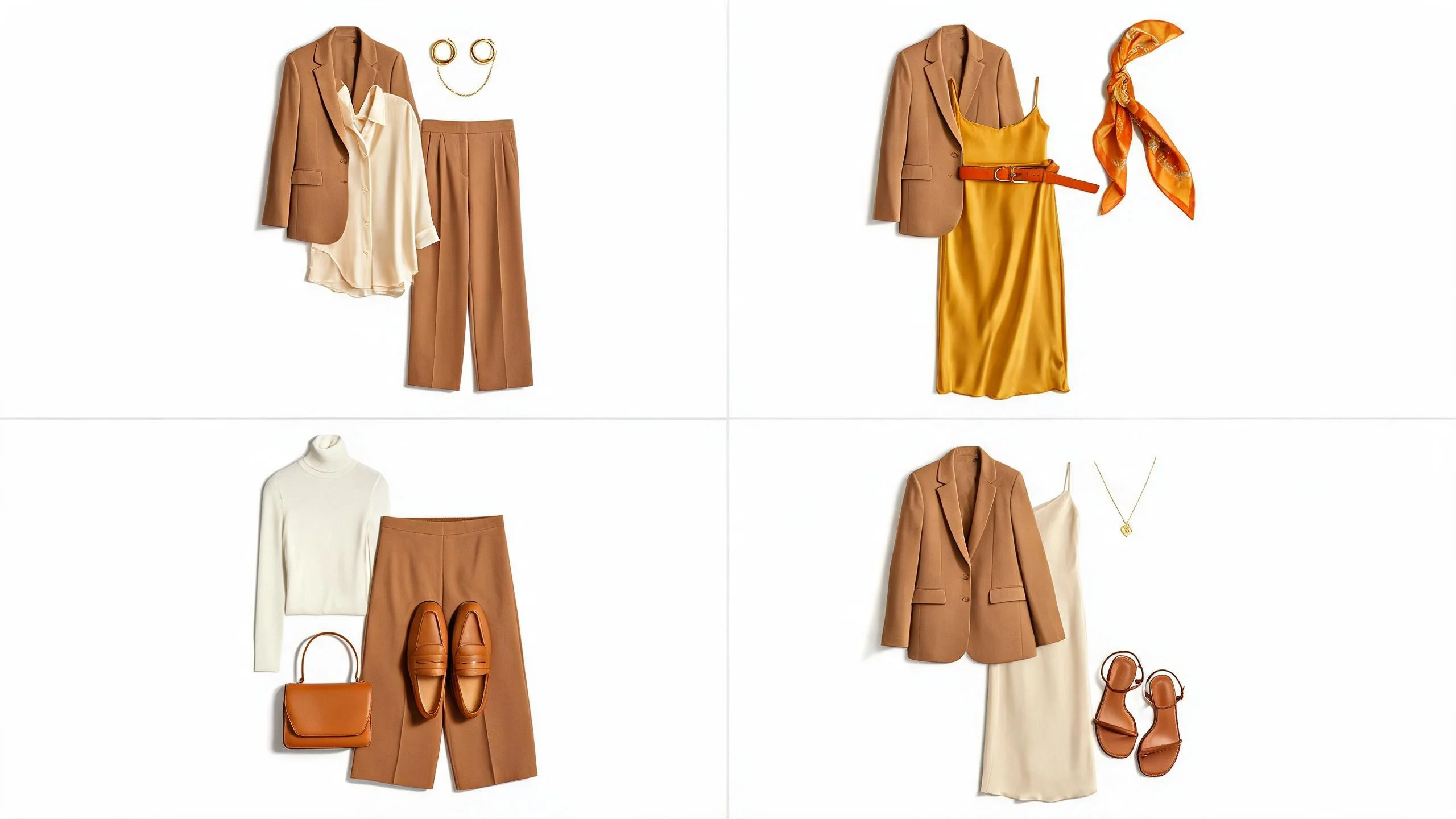
60% base color — black, navy, charcoal, or cream. These are the pants, skirts, and jackets.
30% secondary color — olive, burgundy, dusty blue, or camel. These are sweaters, blazers, and dresses.
10% accent color — mustard, rust, or emerald. These are scarves, shoes, or a single statement piece.
If every new item fits into this ratio, it will automatically pair with most of your existing clothes. The 60% base is your safety net; the 10% accent is your personality without the risk of clashing.
Rule 2: The "Three-Pair" Test
Before buying any new item, mentally pair it with three pieces you already own. If you cannot form three complete outfits, the item is an orphan. Do not buy it. This test alone prevents 70% of regrettable purchases.
Rule 3: Match Undertones, Not Just Colors
Plus-size clothing often comes in richer, saturated shades. A cool-toned burgundy clashes with a warm-toned camel, even though both are "red family" and "neutral." The fix is simple: hold the item up to your face in natural light. If your skin looks even, the undertone matches. If shadows appear under your eyes or your jaw looks heavy, the undertone is wrong. This rule is especially important for plus-size tops, because the color sits closest to your face.
Part 3: One Piece, Five Ways — The Math of Smart Styling
The real savings come from wearing what you already own more often. Below are five concrete ways to style one core item from each capsule.
Women's Wrap Dress
Office: Dress + blazer + pointed loafers + structured tote.
Weekend: Dress + white sneakers + denim jacket tied at waist.
Evening: Dress + statement earrings + heeled sandals + belt cinched.
Layered: Dress worn open as a duster over a Breton tee and black ponte pants.
Travel: Dress + cashmere cardigan + slip-on sneakers + cross-body bag.
Men's Navy Blazer
Business casual: Blazer + Oxford shirt + chinos + leather loafers.
Smart weekend: Blazer + crew-neck tee + dark jeans + white sneakers.
Date night: Blazer + turtleneck + fitted jeans + Chelsea boots.
Creative: Blazer + striped Breton tee + chinos + suede desert boots.
Layered winter: Blazer over quilted bomber, with merino sweater and charcoal wool trousers.
Each of these looks uses only items from the 10-piece capsule. The cost-per-wear of a $70 blazer drops to under $1 if you wear it 80 times a year. Compare that to a $40 trend piece worn twice before it goes out of style: $20 per wear.
Part 4: Where to Shop Without Overspending
Not all budget brands serve plus-size shoppers well. Below is a vetted list of stores that offer consistent sizing, quality fabrics, and return policies that do not punish the buyer.
Affordable Direct-to-Consumer Brands
Old Navy Plus — $15–$45. Best for basics: tees, jeans, activewear. Frequent 40% off promotions.
ASOS Curve / Plus — $18–$60. Best for trend-forward pieces and going-out looks. Size range up to 6X.
Target Ava & Viv — $15–$40. Best for casual workwear and loungewear. In-store try-on available.
Fashion to Figure — $30–$70. Best for dresses, jumpsuits, and occasion wear. Strong Instagram community for real-body reviews.
Universal Standard — $50–$150. Higher price point, but lifetime fabric guarantee and size-inclusive 00–40 range. Cost-per-wear is exceptional.
Thrift and Resale Platforms
Thrift is not just for vintage lovers. It is a financial tool. The platforms below have active plus-size sections and buyer protection.
ThredUp — Filter by size, brand, and condition. Expect $10–$30 for lightly used pieces from Eloquii, Talbots, and Lane Bryant.
Poshmark — Negotiate prices. Best for finding specific discontinued items or sampling a brand before buying new.
Depop — Gen Z–oriented. Good for oversized streetwear and Y2K trends that flatter plus-size frames.
Facebook Marketplace (local) — Zero shipping. Search "plus size lot" or "curvy wardrobe bundle" for bulk deals at $3–$8 per item.
Outlet and Clearance Hacks
Nordstrom Rack, Saks Off 5th, and 6pm.com carry plus-size designer brands at 50–70% off. Sign up for restock alerts. The best inventory drops on Tuesday and Wednesday mornings. Set a calendar reminder.
Part 5: How DLOOK AI Cuts Your Fashion Costs by 40%
Even with a capsule wardrobe and a color formula, the biggest unknown is fit. An item can look perfect on the hanger and completely wrong on your body. Returns are expensive, and many plus-size shoppers absorb the cost rather than deal with return labels.
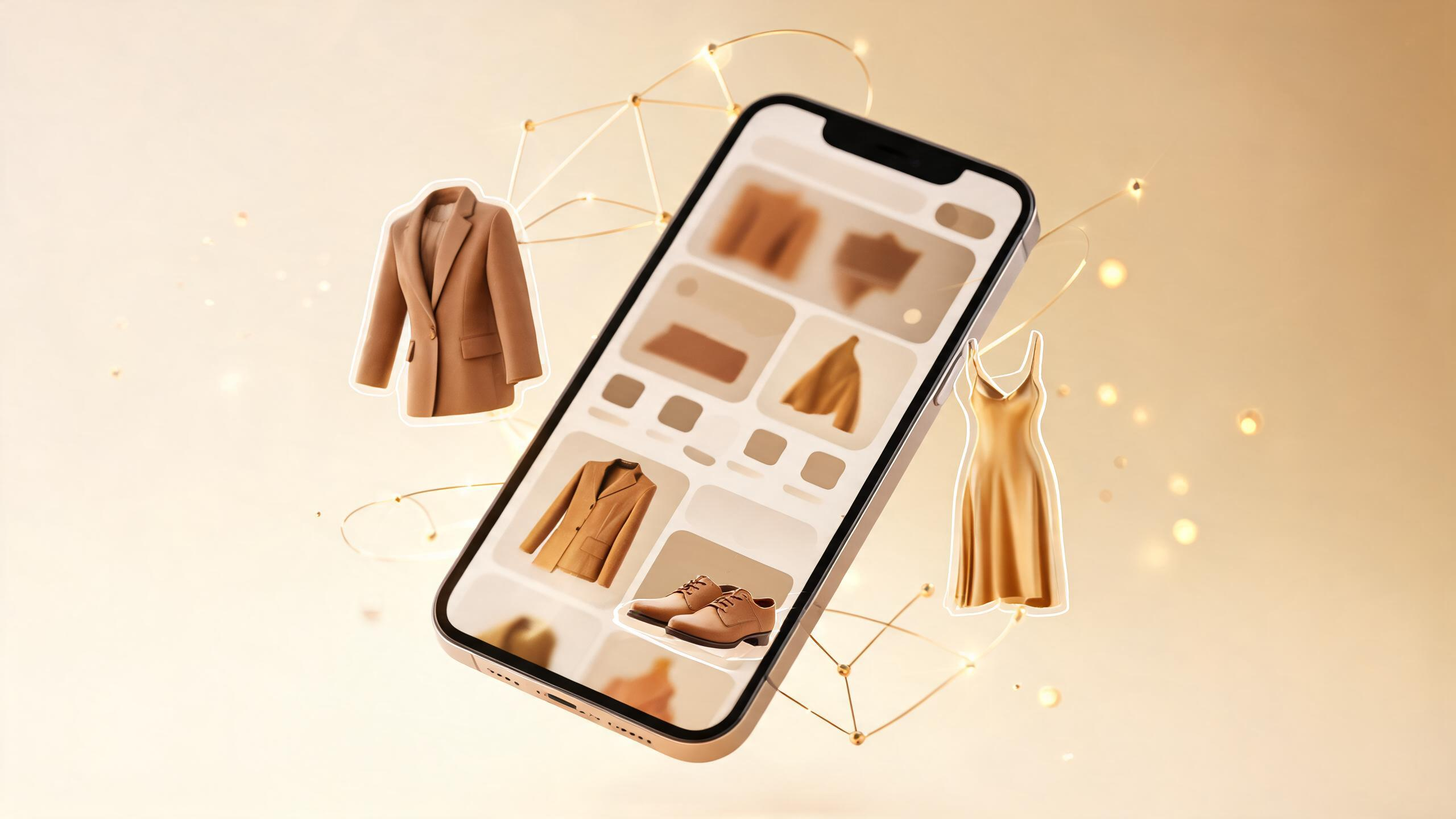
DLOOK solves this by letting you see the outfit on your body before you buy it. The app's AI analyzes your body shape, height, and proportions, then generates realistic styling previews using your own photo or a customizable avatar. It is not a generic model wearing the clothes; it is you.
Three Ways DLOOK Saves Money
1. Zero Guessing on Fit
Upload a photo or enter your measurements. DLOOK renders how a dress, blazer, or pair of jeans will drape on your specific frame. If the waistband sits too high or the sleeves are too short, you see it before you pay. This eliminates "fit regret," the leading cause of plus-size returns.
2. Smart Outfit Bundling
DLOOK does not just show one item. It builds full outfits from pieces you already own or plan to buy. If you upload a photo of a new wrap dress, the AI suggests shoes, jewelry, and layers from your virtual closet that complete the look. This prevents the "I bought a dress but have nothing to wear it with" problem.
3. Personalized Shopping Filters
When you browse integrated partner stores through DLOOK, the AI filters inventory by your body data. Only items that match your waist-to-hip ratio, preferred inseam, and shoulder width are shown. You stop scrolling through pages of clothes that will never fit. The time savings alone are worth it; the money savings are even better.
How to Start Using DLOOK
The app is free to download. Available on App Store and Google Play. The onboarding takes three minutes: a full-body photo or manual measurements, a style preference quiz (casual, business, edgy, classic), and a budget range. From there, every recommendation is tailored.
For plus-size shoppers, this is the difference between a closet full of "almost right" and a wardrobe where every piece earns its place.
Part 6: The 30-Day Challenge
Reading a guide is not the same as building a habit. Try this 30-day money-saving challenge to lock in the system.
Week 1: Audit your closet. Pull out every item you have not worn in 12 months. Donate or sell anything that fails the three-pair test. Count the remaining pieces. This is your starting wardrobe.
Week 2: Apply the 60/30/10 color ratio. If your base color is under 50%, make your next two purchases base-color pieces. Do not buy accents yet.
Week 3: Use DLOOK to plan your next three outfits. Try one look from the "One Piece, Five Ways" lists above. Photograph the result. Save it to your phone.
Week 4: Buy one item only. Use the three-pair test and the DLOOK virtual preview. If either fails, wait. There will always be another sale.
At the end of 30 days, most users find they have worn 40% more of their wardrobe and spent 50% less than the previous month. The system is self-reinforcing: fewer mistakes mean more confidence, which means fewer impulse purchases.
Final Word
Plus-size fashion does not have to be expensive, frustrating, or exclusionary. With a 10-piece capsule, a three-color formula, and AI-assisted shopping through DLOOK, you can build a wardrobe that looks good, feels good, and costs half what you are spending now.
The goal is not to buy less for the sake of it. The goal is to buy better—and to never waste another dollar on clothes that never see daylight.
Ready to start? Download DLOOK today and see your next outfit before you buy it.
]]>