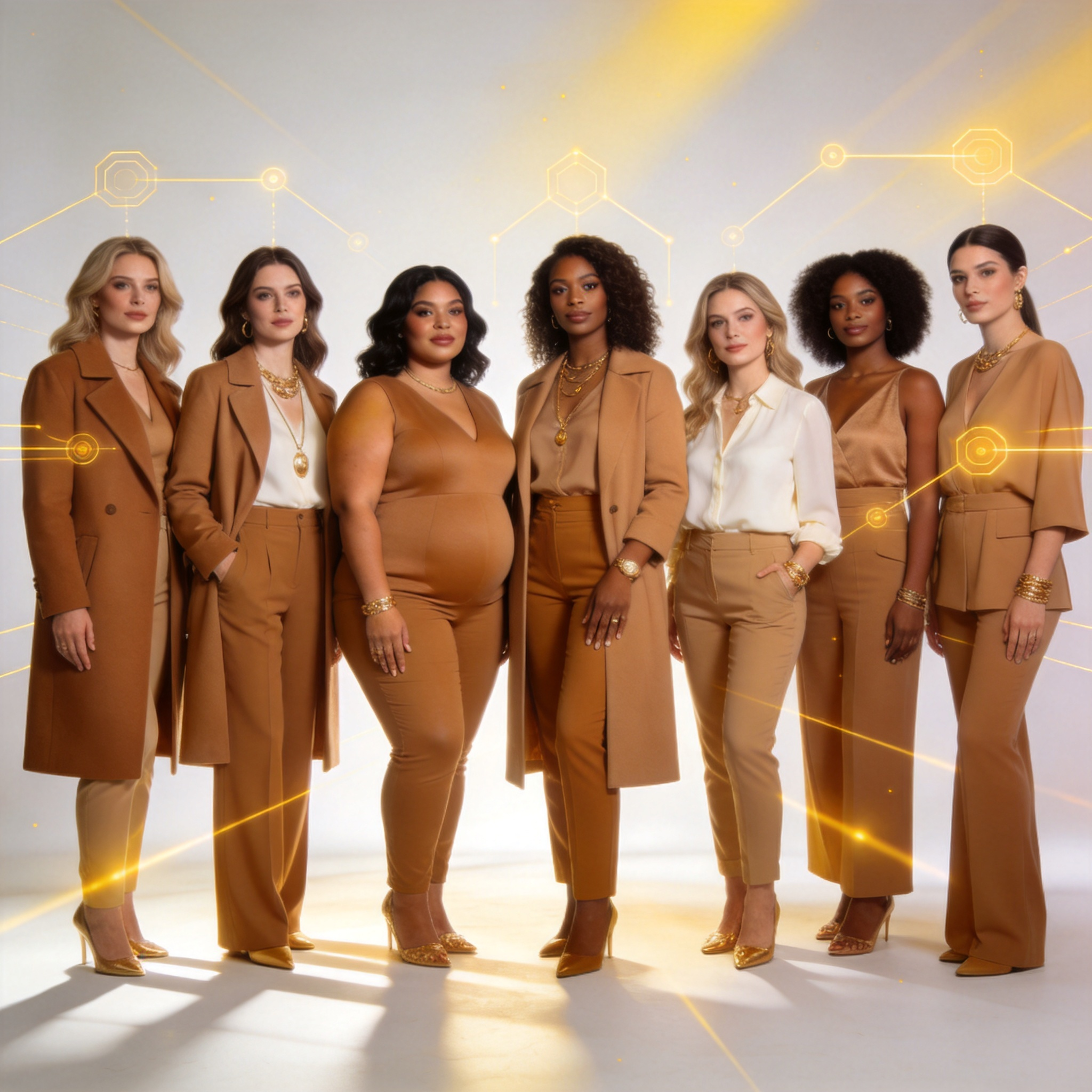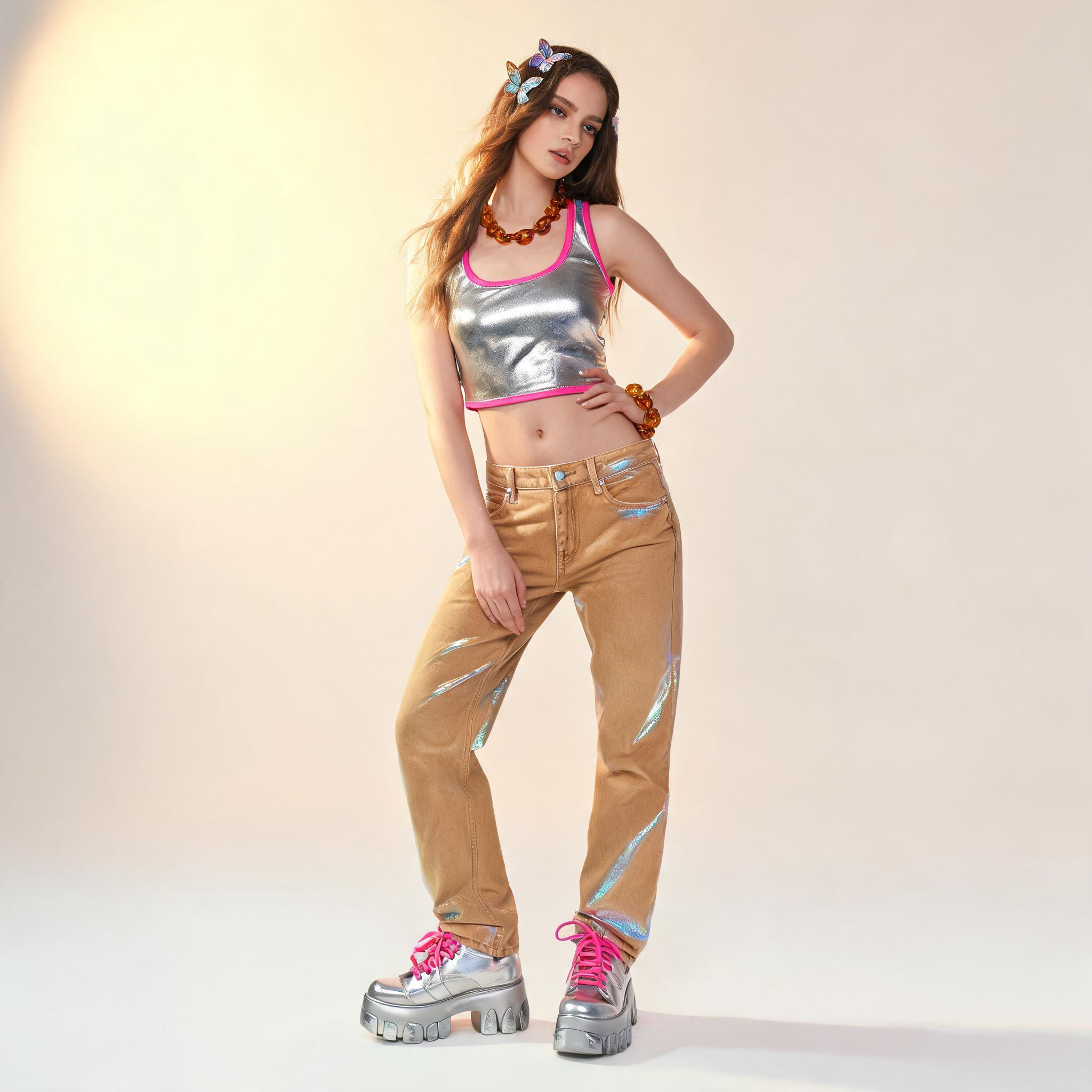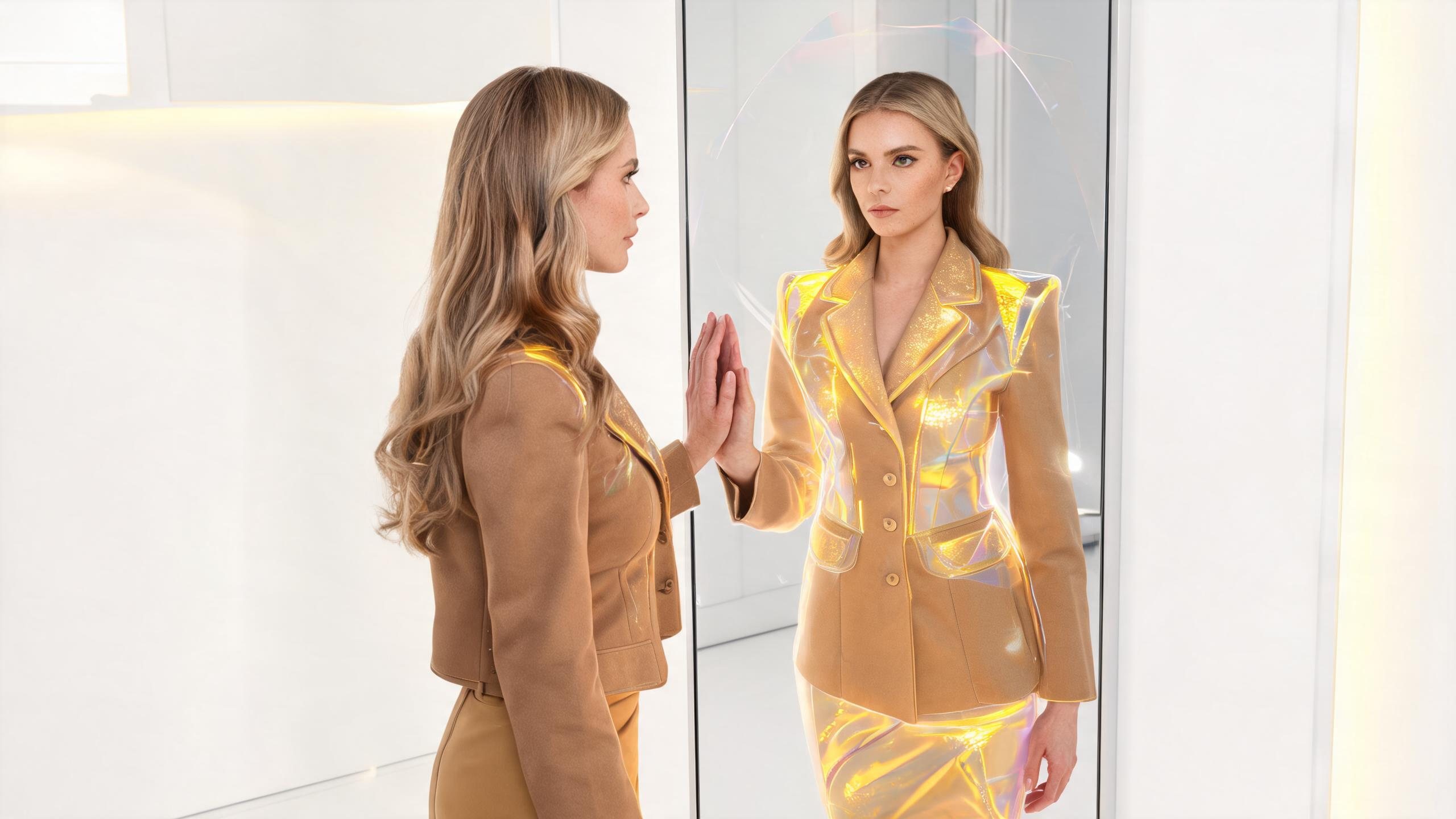
Imagine buying a jacket online and knowing exactly how it will look on you—before it ever leaves the warehouse. That is no longer a futuristic fantasy. In 2026, virtual try-on (VTO) technology has moved from tech-demo novelty to mainstream retail infrastructure, fundamentally altering how consumers discover, evaluate, and purchase fashion online. Powered by advances in generative AI, real-time AR rendering, and computer vision, virtual fitting rooms are now closing the confidence gap that has plagued e-commerce since its inception.
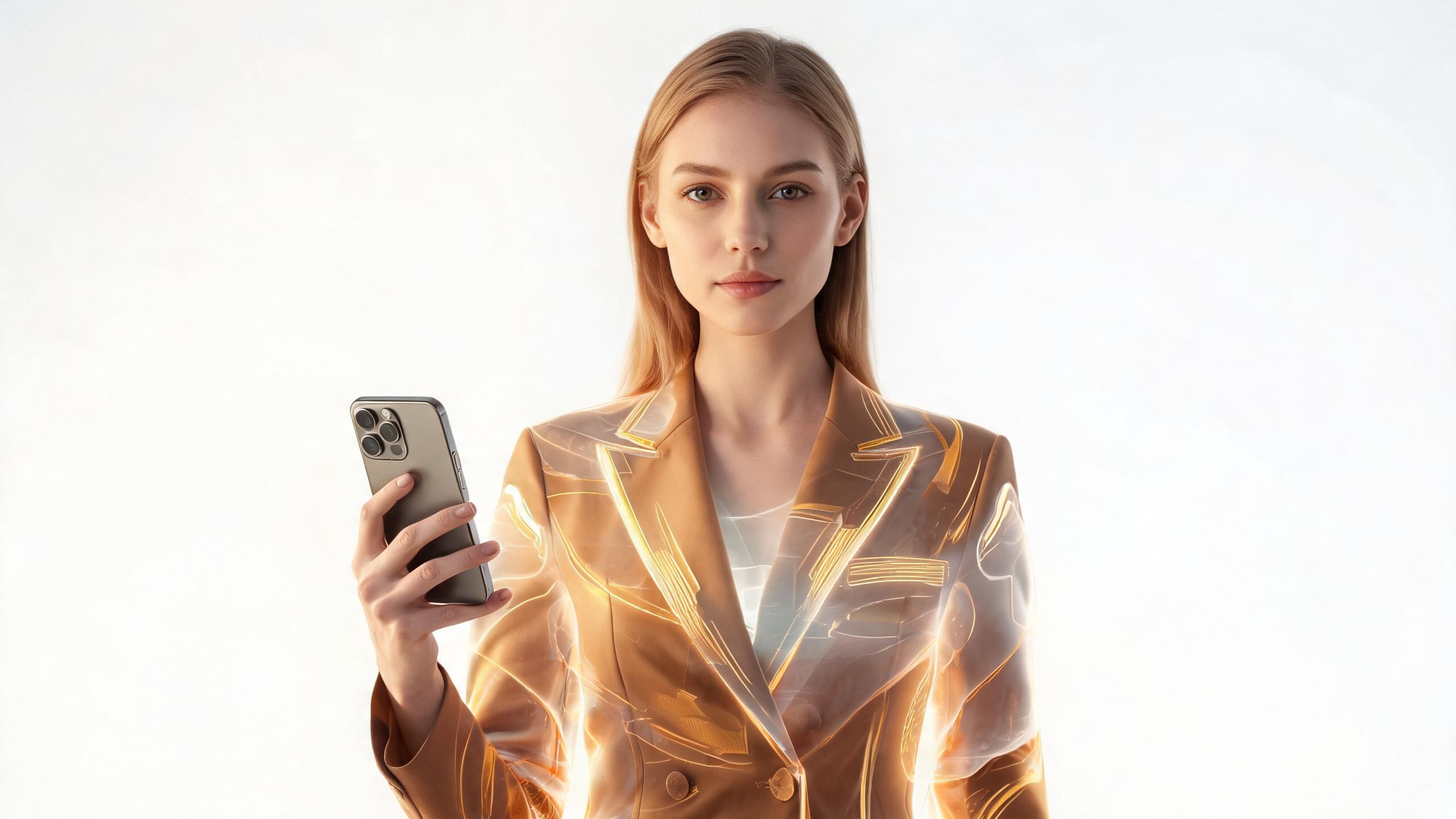
Why does this matter now? The global virtual try-on market is expected to grow from $10.93 billion in 2024 to $108.5 billion by 2034, expanding at a CAGR of 25.8% according to Market.us. Meanwhile, a separate report from Research and Markets values the VTO technology market at $15.29 billion in 2026, projecting it to reach $38.92 billion by 2030 with a 26.3% CAGR. These figures signal more than growth—they signal a permanent shift in consumer expectations.
How Virtual Try-On Technology Works
At its core, virtual try-on technology bridges the physical and digital worlds using three converging technologies:
1. Augmented Reality (AR) Visualization
AR overlays digital garments onto a user's live camera feed or uploaded photo. Modern AR engines use depth sensing and plane detection to anchor clothing realistically to the body, accounting for fabric drape, lighting, and body contours. According to Statista's consumer survey data, interest in AR-assisted shopping continues to climb across major retail markets, with younger demographics leading adoption.
2. AI-Powered Body Mapping
Machine learning models trained on millions of body-shape datasets can now predict fit with remarkable accuracy. By analyzing a few photos or basic measurements, AI algorithms generate a personalized 3D avatar that reflects the user's proportions. This eliminates the guesswork of size charts and reduces the primary driver of online returns: poor fit. As noted by Envive's comprehensive analysis, size and fit issues account for 53% of all apparel returns.
3. Generative AI for Realistic Rendering
2026 marks the widespread adoption of generative AI in VTO pipelines. Instead of pre-rendered 3D assets for every SKU, retailers now use diffusion models to synthesize how a garment looks on any body type in real time. This slashes content production costs and enables try before you buy for entire catalogs—not just bestsellers.
Where You'll See Virtual Try-On in 2026
The technology has expanded far beyond early adopters like eyewear and cosmetics. Here are the dominant application areas this year:
E-Commerce Platforms
Major online retailers have integrated VTO directly into product detail pages. Shoppers can now see how jeans fit their waist-to-hip ratio, how a dress drapes over their shoulders, or how sneakers look with their outfit. The result is a measurable lift in conversion. AWS retail research documents that retailers implementing comprehensive VTO solutions consistently see sales conversions increase by 20% to 40%.
Social Media Shopping
Social commerce platforms now embed one-tap virtual try-on filters. Users swipe through outfits on TikTok, Instagram, and Pinterest, instantly visualizing how trending pieces look on their own frame. This seamless discovery-to-purchase loop is driving impulse purchases while reducing post-buy regret.
Brick-and-Mortar Retail
Physical stores are deploying AR mirrors and smart fitting rooms that blend the tactile benefits of in-store shopping with digital convenience. Shoppers can try a shirt physically, then instantly view it in alternate colors or sizes via a touchscreen mirror—no re-dressing required. Style3D's industry report notes that eyewear brands using adaptive face-mapping tools show return rate drops of up to 25%, while fashion retailers offering virtual fitting rooms see similar improvements.
The Numbers Don't Lie: How Shoppers Are Changing
Data from 2026 paints a clear picture: consumers now expect virtual try-on as a standard feature, not a premium perk.
Market Growth
The virtual fitting room segment alone—one subset of the broader VTO ecosystem—was valued at $4.79 billion in 2023 and is projected to reach $25.11 billion by 2032, according to a comprehensive industry analysis on LinkedIn. Acumen Research and Consulting separately forecasts the broader VTO technology market to surge from $8.77 billion in 2024 to $72.23 billion by 2033 at a 26.5% CAGR. In the United States specifically, Industry Today projects the domestic market growing at a 24.1% CAGR.
Return Rate Reduction
Perhaps the most compelling statistic for retailers: VTO directly attacks the returns problem. Online apparel return rates typically hover between 19% and 24% across retail categories, with fashion sometimes reaching 50% to 60% without VTO, per Eightx's 2026 benchmarks. Brands that deploy AI-powered try-on and fit recommendation tools observe 25% to 40% fewer returns on average compared to traditional sizing charts. Mirrago's research documents that some brands report return rate reductions of up to 48% using realistic on-model visualization. Similarly, CamClo3D confirms 20-30% reductions in apparel returns through hyper-realistic visualization that eliminates size uncertainty.
The Bottom-Line Impact
Return logistics—shipping, restocking, and labor—can erode 20% to 30% of an online retailer's bottom line, according to Coresight Research. For a fashion retailer with €500 million in online revenue and a 25% return rate, reducing returns by 25% recovers approximately €31 million in cost annually. This is why VTO adoption is accelerating among both enterprise retailers and direct-to-consumer brands.
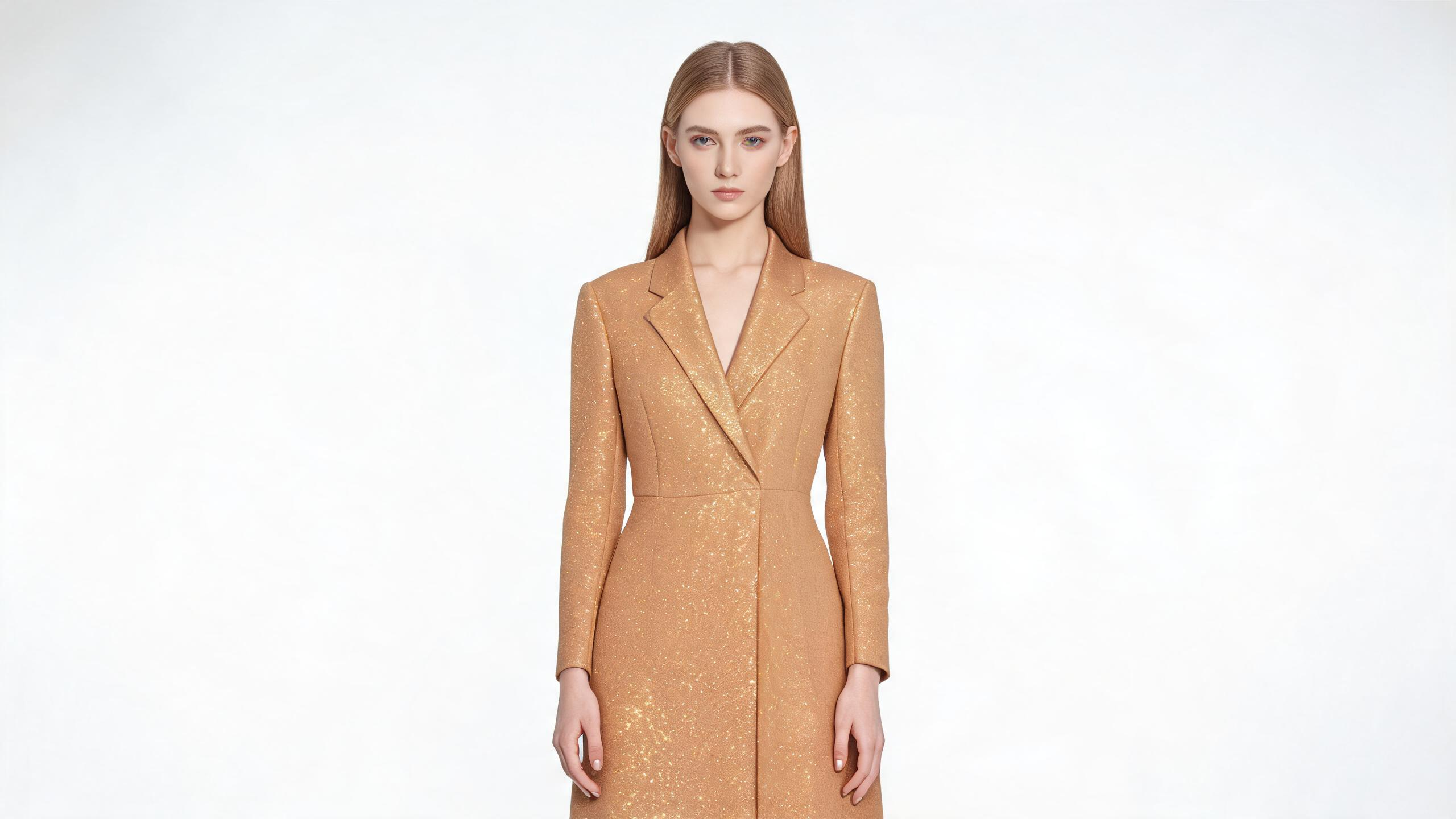
How DLOOK Uses AI to Transform Your Wardrobe
Amid this industry-wide transformation, DLOOK stands out as an AI outfit stylist designed for everyday shoppers. Rather than treating virtual try-on as a standalone gimmick, DLOOK integrates it into a complete personal styling ecosystem.
Personalized AI Styling
DLOOK's AI analyzes your preferences, body type, and existing wardrobe to generate outfit recommendations that actually match your taste. The virtual try-on feature lets you visualize how recommended pieces look on you before purchasing—bridging the gap between inspiration and acquisition.
Digital Wardrobe Integration
Beyond one-off try-ons, DLOOK helps users build a digital wardrobe. Upload items you already own, and the AI suggests new combinations and complementary purchases. This try before you buy approach reduces impulse returns while helping shoppers make more intentional, sustainable fashion choices.
Designed for Real Bodies
Where early VTO tools often catered to a narrow range of body types, DLOOK's 2026 model emphasizes inclusive body mapping. The AI is trained on diverse datasets to ensure realistic visualization across sizes, shapes, and skin tones—making the technology useful for everyone, not just a subset of shoppers.
What's Next: The Future of Virtual Fitting
Looking beyond 2026, several trends are poised to deepen VTO's impact:
Hyper-Personalization via Generative AI
Next-generation VTO will move beyond visualization to personalization. Imagine an AI that not only shows how a garment fits but suggests alterations—"This blazer would look better with the sleeves shortened by 1.5 inches"—and connects you directly with tailoring services.
Cross-Platform Digital Wardrobes
Consumers will increasingly demand a single digital wardrobe that syncs across retailers. Your DLOOK profile could one day integrate with any e-commerce checkout, automatically flagging fit issues or style mismatches before you complete a purchase anywhere on the web.
Sustainability-Driven Adoption
As environmental pressure mounts on fashion's return-driven waste problem, VTO will become a sustainability mandate, not just a convenience feature. Brands that reduce returns through accurate virtual fitting will increasingly market this as part of their eco-commitment.
Conclusion: 2026 Is the Tipping Point
Virtual try-on technology has crossed the chasm from experimental to essential. With the market surging toward $38-108 billion by the early 2030s, return rates dropping by up to 48%, and conversion rates climbing by 20-40%, the business case is irrefutable. For consumers, it means fewer disappointing deliveries and more confident purchases. For retailers, it means healthier margins and happier customers.
The question in 2026 is no longer whether virtual try-on will become standard—but how quickly brands that lag behind will lose ground to those already embracing it.
Ready to Try It Yourself?
Experience the future of fashion shopping with DLOOK—your AI outfit stylist with built-in virtual try-on. See how clothes look on you before you buy, build your digital wardrobe, and discover outfits curated just for your style.
Download DLOOK on the App Store | Get it on Google Play
About the Author: This article was written by the DLOOK Fashion Editor Team, combining insights from market research, consumer behavior data, and hands-on experience with AI fashion technology.
Sources: Market data cited from Market.us, Research and Markets, Statista, Acumen Research and Consulting, LinkedIn industry analysis, AWS retail research, Coresight Research, Eightx, Style3D, Mirrago, CamClo3D, and Industry Today. All external links verified as of May 2026.