By DLOOK Fashion Editor Team | Updated May 2026
Why Sustainable Fashion and Thrifting Are Dominating 2026
In 2026, the fashion industry is experiencing its most significant shift in decades. Consumers are no longer asking whether to embrace sustainable fashion—they are asking how to do it stylishly. The secondhand clothing market is at the center of this transformation, with the Ellen MacArthur Foundation highlighting circular fashion as a critical pathway to reducing the industry's environmental footprint.
According to the U.S. Environmental Protection Agency, textile waste accounts for nearly 8 percent of all municipal solid waste in the United States. That translates to more than 11 million tons of discarded clothing, shoes, and linens every year. Thrifting—once considered a niche hobby—has evolved into a mainstream solution that directly addresses this crisis while offering consumers unique, affordable style.
The cultural momentum is unmistakable. Reddit communities such as r/thrifting (22,000+ members) and r/SustainableFashion (59,000+ members) drive hundreds of weekly discussions about styling secondhand finds. On Pinterest and Instagram, searches for how to style thrifted clothes and thrift flip transformations continue to climb, particularly among Gen Z and millennial audiences who prioritize values-driven purchasing.
The State of AI Fashion Styling in 2026
Artificial intelligence has matured far beyond novelty chatbots and recommendation engines. In 2026, AI fashion stylists are helping consumers build outfits from existing wardrobes, recommend thrift store purchases, and visualize how vintage pieces fit into modern aesthetics. This convergence of AI powered thrifting and sustainable fashion represents one of the most practical applications of consumer AI to date.
Research published by World Resources Institute underscores that extending the life of clothing by just nine months can reduce its carbon, water, and waste footprints by 20 to 30 percent. AI styling tools accelerate this impact by making it easier to wear what you already own—or what you find secondhand—instead of buying new.
The technology works through a combination of computer vision, natural language processing, and style preference learning. When you upload a photo of a thrifted blazer or a vintage denim jacket, AI apps analyze color, cut, fabric texture, and seasonal relevance. They then cross-reference these attributes against your existing wardrobe and generate outfit combinations that look intentional rather than improvised.
How to Style Thrifted Clothes: A Step-by-Step AI Guide
Styling secondhand clothing can feel intimidating. Fit is inconsistent, brands are unfamiliar, and pieces often arrive without styling context. Here is how AI removes those barriers and turns thrift hauls into polished wardrobes.
Step 1: Digitize Your Thrift Finds Immediately
The moment you bring home a thrifted item, photograph it against a plain background. Modern AI wardrobe organizer apps use background removal to create clean catalog images in seconds. This simple habit transforms scattered secondhand purchases into a searchable, organized digital closet.
Apps like DLOOK streamline this process by auto-tagging items by color, category, pattern, and season. A 1970s silk scarf becomes tagged under "accessories," "vintage," "floral," and "spring/summer" without any manual input. This metadata is what makes intelligent outfit generation possible.
Step 2: Use AI Color Analysis for Cohesion
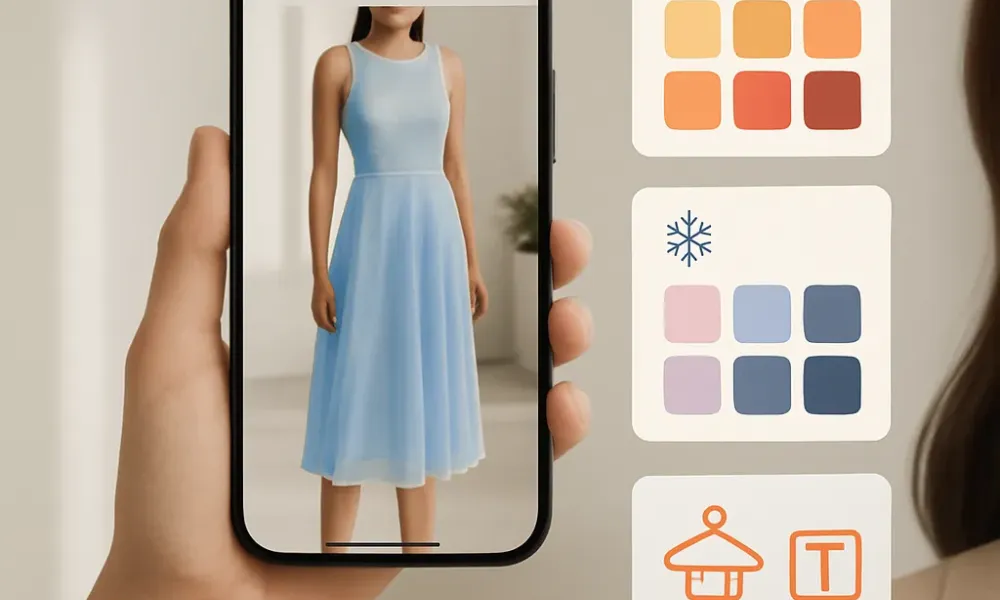
One of the biggest challenges with thrift shopping is color coordination. Secondhand stores are treasure troves of unique hues—but not every unique color flatters your complexion or works with your existing wardrobe. AI color analysis tools assess your skin undertone, hair color, and eye color to recommend which thrifted shades will enhance your natural coloring.
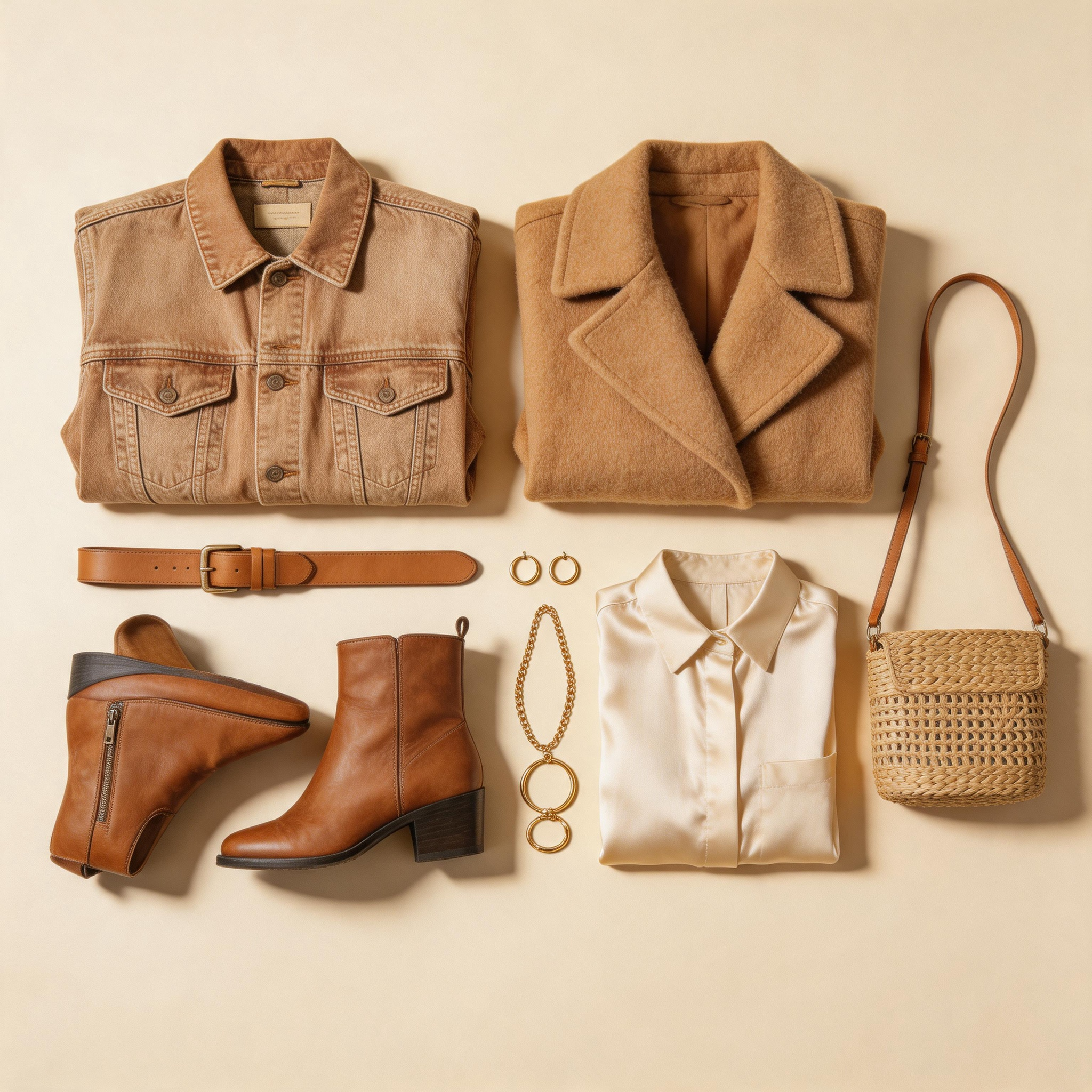
More advanced apps also evaluate your current wardrobe palette and flag items that create dissonance. If your closet is built around warm browns, camels, and creams, the AI will nudge you away from cool, jewel-toned pieces that fight your established aesthetic. This kind of guidance is invaluable for building a conscious closet that feels unified rather than chaotic.
Step 3: Generate Outfits with Context Awareness
The real magic of AI outfit planners lies in context. The best apps do not just randomize clothing combinations. They factor in weather forecasts, calendar events, dress codes, and your personal style history. A thrifted tweed blazer might generate one outfit for a Monday morning meeting, another for a weekend coffee run, and a third for an evening dinner—all from the same starting piece.
As noted in industry analysis from Vogue Business Sustainability, hyper-personalization is the defining technology trend of 2026 fashion. AI styling tools that learn from your daily choices deliver increasingly relevant recommendations over time, turning a once-steep learning curve into a seamless daily habit.
Step 4: Try Before You Commit with Virtual Styling
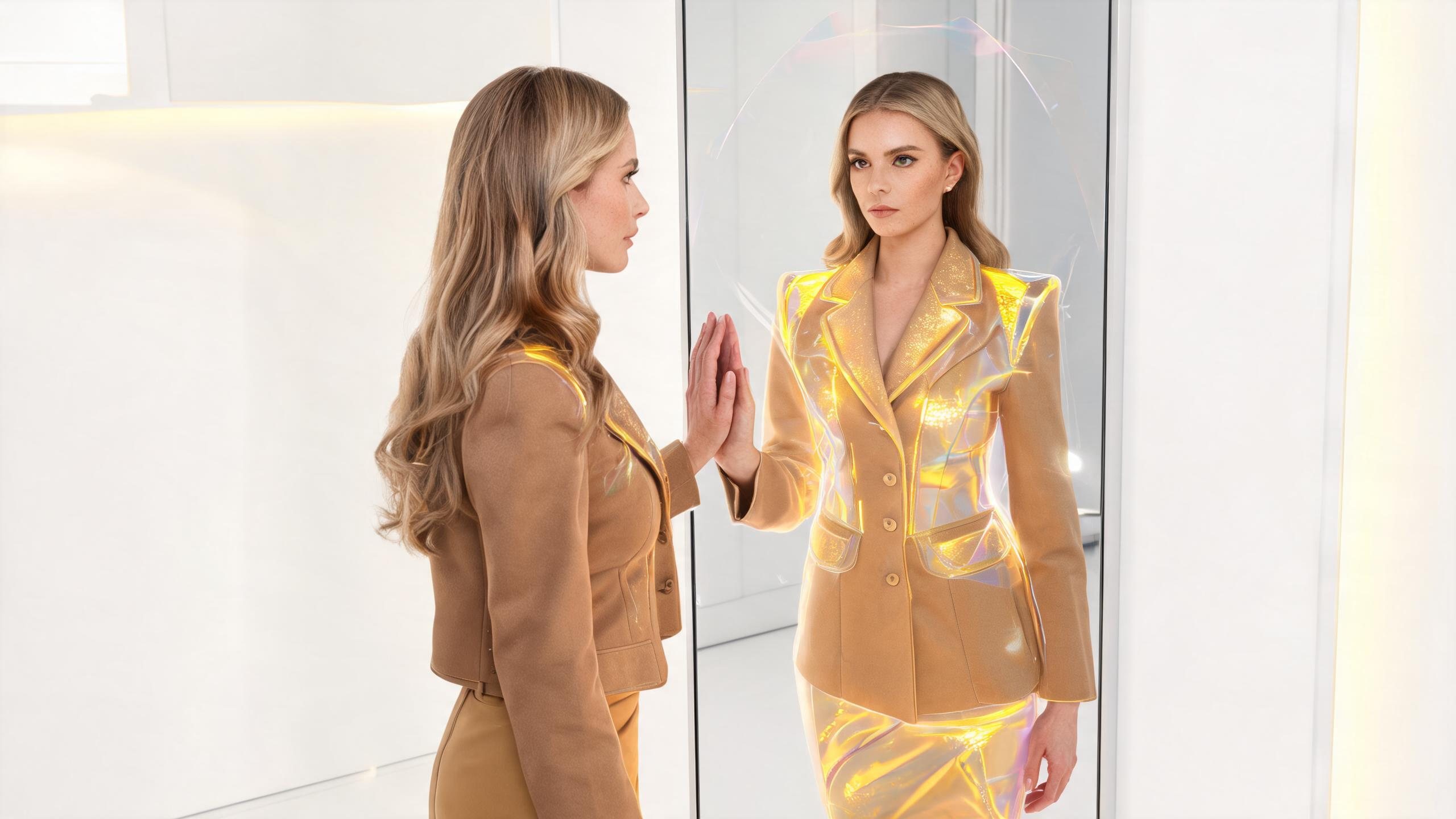
Some AI apps now offer AI clothes try on sustainable features that simulate how a thrifted garment might look on your body before you even leave the store. By overlaying the item onto your body profile, you can evaluate fit, proportion, and silhouette without a physical changing room.
This capability is especially powerful for online thrift platforms like Poshmark and Depop, where returns are inconvenient and fit uncertainty discourages purchases. Virtual try-on reduces buyer hesitation and increases satisfaction with secondhand purchases.
Step 5: Track Wear Frequency and Wardrobe ROI
Sustainability is not just about buying secondhand. It is about wearing what you buy. AI wardrobe apps with wear-tracking features calculate cost-per-wear for every item in your closet, including thrifted pieces. If that $8 vintage blouse gets worn twelve times, its true cost-per-wear rivals fast fashion while producing a fraction of the environmental impact.
Over time, this data reveals which thrift categories deliver the best value for your lifestyle. You might discover that thrifted outerwear and accessories outperform fast-fashion basics in both longevity and versatility. These insights sharpen your future thrift shopping strategy.
Gen Z and the Secondhand Fashion Boom
Gen Z consumers are the primary engine behind the secondhand fashion explosion. According to Greenpeace UK, younger shoppers increasingly view fast fashion as incompatible with their climate values. Thrift shopping has become a statement of identity as much as a practical budget strategy.
This demographic shift has pushed sustainable fashion apps for Gen Z into the mainstream. Apps that combine resale marketplace browsing with AI styling, wardrobe tracking, and sustainability scoring resonate particularly well with users aged 18 to 28. The integration of TikTok-style discovery with practical outfit planning creates an ecosystem where thrifting is social, stylish, and sustainable.
Reddit discussions in r/ethicalfashion and r/ClothingStartups confirm that AI-assisted thrift styling is one of the most requested app categories of 2026. Users want tools that bridge the gap between finding secondhand treasures and actually wearing them confidently.
Real-World Tips for Styling Thrifted Clothes
Even with AI assistance, a few timeless styling principles elevate thrifted outfits from eclectic to editorial.
Mix Eras Intentionally
The most compelling thrifted outfits combine pieces from different decades with intention. A 1990s slip dress paired with a modern oversized blazer creates contrast. A 1970s leather belt anchoring contemporary wide-leg jeans adds character. AI styling tools can identify these cross-era combinations by analyzing silhouette compatibility, but the creative vision starts with your willingness to experiment.
Invest in Tailoring
Thrifted clothing often requires minor alterations to achieve a custom fit. A $5 vintage blazer plus a $20 tailoring session can produce a garment that looks and fits better than a $200 new equivalent. Factor tailoring costs into your thrift budget and use AI styling apps to preview how an altered piece will integrate with your wardrobe.
Build Around Neutral Anchors
Secondhand stores overflow with bold prints and statement colors. The secret to styling them well is grounding them in neutral anchors—cream knits, tan trousers, white sneakers, brown leather bags. These staples provide a visual resting place that lets vintage pieces shine without overwhelming your overall look.
Accessorize Strategically
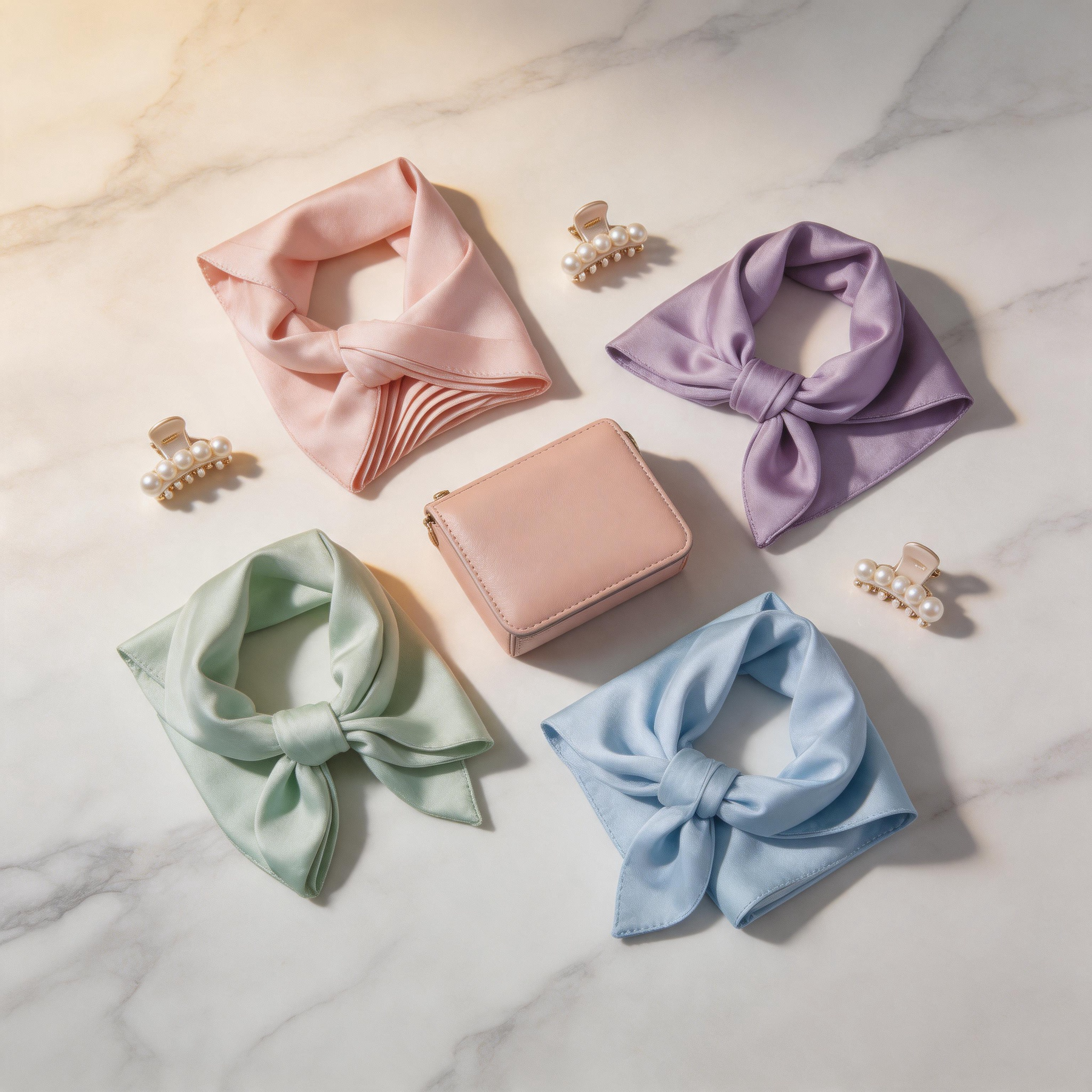
Thrifted accessories—scarves, belts, jewelry, bags—often offer the highest style-to-cost ratio. A single vintage silk scarf can transform five different outfits. AI apps that track accessories separately from clothing help ensure these high-impact pieces do not sit forgotten in a drawer.
The Environmental Case for AI Thrifting
The fashion industry is responsible for approximately 8 to 10 percent of global carbon emissions, according to Fashion Revolution. Manufacturing a single cotton t-shirt consumes roughly 2,700 liters of water—enough drinking water for one person for two and a half years. By choosing secondhand over new, consumers bypass this production footprint entirely.
AI amplifies this impact by solving the primary barrier to thrift adoption: styling uncertainty. When consumers know they can create cohesive outfits from secondhand pieces, they thrift more frequently and buy new less often. The result is a measurable reduction in textile demand, manufacturing pressure, and eventual waste.
The EPA estimates that only 15 percent of discarded textiles are currently recycled or donated. Every garment that stays in circulation through thrifting, swapping, or resale represents a direct reduction in landfill volume. AI styling tools extend garment lifecycles by helping owners wear pieces more creatively and more often.
Getting Started with DLOOK for AI Thrift Styling
Ready to transform your thrift finds into a curated, sustainable wardrobe? DLOOK is an AI outfit stylist built for exactly this purpose. The app combines digital wardrobe management, AI outfit generation, color analysis, and virtual try-on in one streamlined experience.
Whether you are a seasoned thrifter with bags of vintage finds or a newcomer intimidated by secondhand styling, DLOOK meets you where you are. Upload your pieces, let AI organize and suggest outfits, and discover how effortlessly sustainable fashion fits into your daily routine.
Conclusion: Sustainable Fashion AI 2026 and Beyond
The marriage of AI and sustainable fashion in 2026 is more than a trend. It is a practical response to genuine consumer needs: the desire to dress well, the pressure to shop responsibly, and the challenge of making secondhand clothing feel modern and wearable.
By learning how to style thrifted clothes with AI assistance, you are not just building a more interesting wardrobe. You are participating in a fashion ecosystem that values creativity over consumption, longevity over disposability, and personal expression over mass production.
Start small. Download a conscious closet app. Photograph your next thrift find. Let AI show you what is possible. Your closet—and the planet—will thank you.
Written by the DLOOK Fashion Editor Team. Data sourced from EPA, Ellen MacArthur Foundation, World Resources Institute, Vogue Business, Fashion Revolution, and Greenpeace UK. All external links verified for accuracy as of May 2026.