Getting dressed should be fun. But if you are a Black or Latino gay, bi, or queer man in the U.S., you already know the quiet math that happens in front of the mirror: Will this color make my skin look dull? Will this outfit read "too much" at work but "not enough" at the function? Does anything in the menswear aisle actually fit my shoulders and my waist at the same time?
You are not imagining the gap — and you are not a niche. The community mainstream fashion keeps overlooking is enormous and economically powerful. Entrepreneur, citing industry estimates, puts global LGBTQ+ purchasing power at $3.7 trillion, and GLAAD's 2025 Accelerating Acceptance study found roughly 9% of American adults — nearly 25 million people — identify as LGBTQ. Yet Nielsen's 2024 research on LGBTQ+ consumers found that 63% of LGBTQ audiences feel misrepresented in media — a number that rises to 7 in 10 among Black queer consumers. Is it any wonder we stopped waiting for the industry and started teaching each other?
That peer-to-peer energy is exactly where the most interesting men's fashion in America is happening. Queer style media like them.'s style section and coverage of queer designers reshaping fashion weeks tell the same story: queer people of color are not following menswear trends — they are setting them.
This guide is built around the questions we actually see in queer men's style communities — the real pain points, not Pinterest fantasy. The DLOOK Fashion Editor Team covers color theory for brown and dark skin in unusual depth (it is the single biggest search demand in this whole topic cluster), fit hacks for bodies mainstream brands ignore, brand recommendations that work for diverse builds, dressing safely when you need to, event styling for Pride season and beyond, and building a wardrobe on a real budget.
1. "Certain Colors Just Don't Look Right on My Skin" — The Complete Color Guide for Brown and Dark Skin Men
Here is the demand data that tells you why this section is the heart of the guide: in Google Trends US data captured in September 2026, "colors for brown skin" holds a 5-year average interest score of 43 and "colors for dark skin" averages 34 — together roughly two to three times the search volume of "queer fashion" itself (Google Trends US comparison 2021–2026, captured September 2026 via Google Trends). Men of color are not casually browsing — they are actively hunting for answers that generic menswear media never gives them, because that advice was written for lighter skin.
The answer starts with undertone, not shade. Two men with the exact same skin depth can need completely opposite palettes. Brown and dark skin carries warm (golden, red, bronze), cool (olive, ashy, bluish), or neutral undertones — and undertone decides whether mustard makes you glow or makes you look tired.
1.1 Find Your Undertone in 60 Seconds
Run these three tests in natural daylight, no makeup or tinted moisturizer:
The vein test: Look at the veins on your inner wrist. Green-tinted veins usually signal a warm undertone; blue or purple veins signal a cool undertone; if you genuinely cannot tell, you are likely neutral — the lucky middle that can borrow from both sides.
The jewelry test: Hold gold and silver jewelry against your jawline in daylight. If gold makes your skin look alive, you lean warm; if silver is clearly better, you lean cool; if both work, you are neutral.
The white test: Hold a pure white shirt and an off-white/cream shirt near your face. Pure white flattering = cool or neutral; cream clearly better = warm.
One honest caveat: very deep skin can show undertone more subtly, and seasonal tanning shifts it slightly. Treat your result as a strong starting point, then trust the mirror over the theory.
1.2 Deep Brown Skin (Think: Rich Espresso to Deep Umber)
Deep skin is a color powerhouse — high melanin gives you contrast headroom that lighter skin simply does not have. Almost every saturated color works; the skill is choosing which saturation.
Your 10 best colors:
Emerald and forest green — the single most flattering color family on deep golden skin. Melanin turns emerald luminous rather than flat. A forest-green knit or an emerald camp-collar shirt is the highest-impact, lowest-effort move in menswear.
Cobalt and royal blue — crisp, confident, boardroom-to-bar versatile. Cobalt against deep skin reads expensive even at fast-fashion prices.
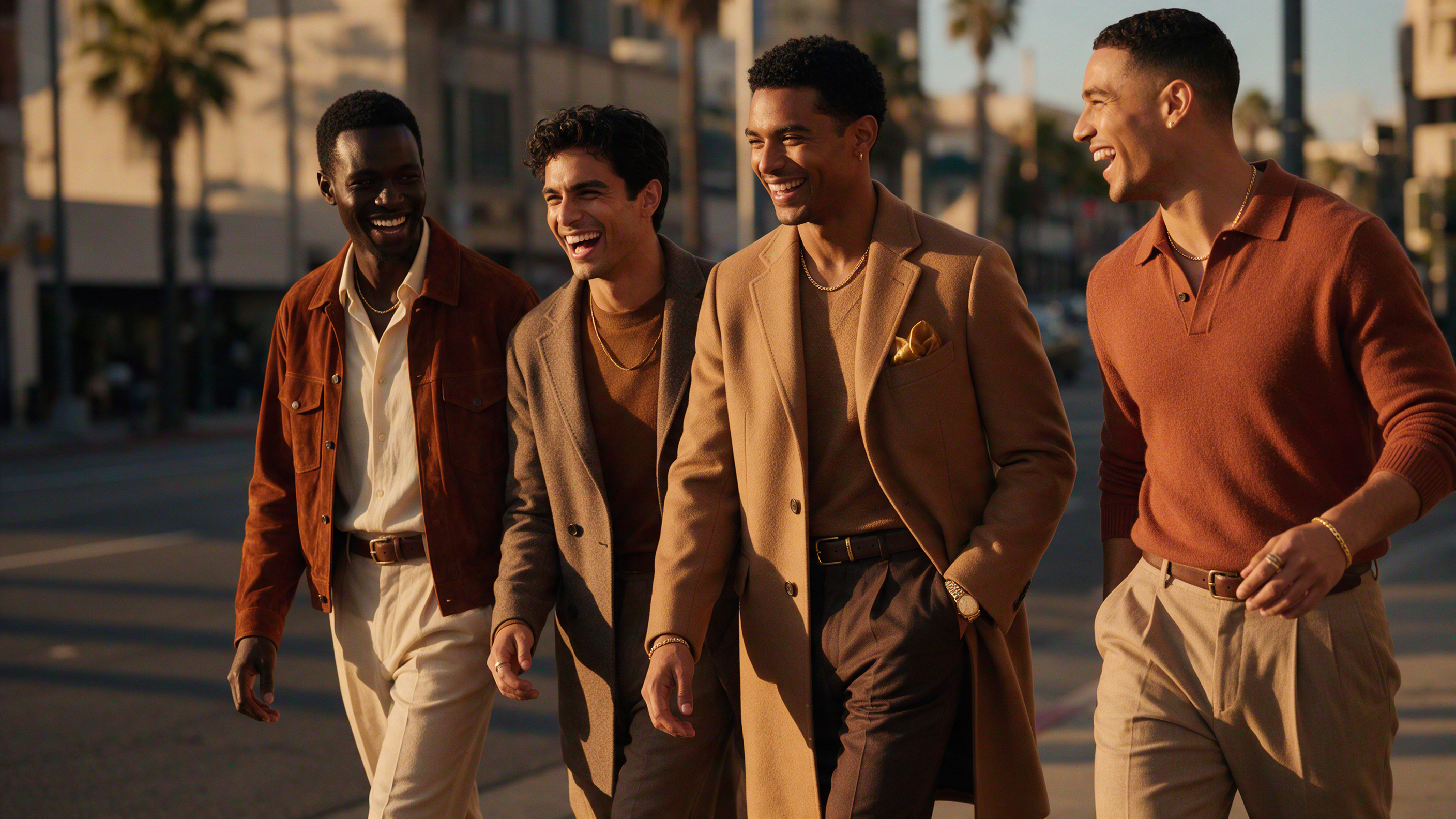
Burnt orange and rust — echo the warmth in your undertone; a rust tee under a camel overshirt is a complete fall look by itself.
Mustard and ochre — the shade that terrifies fair cool-toned men and rewards you. Mustard works best within three feet of your face (tee, knit, scarf).
Burgundy and deep wine — your black-suit alternative for evenings; pairs beautifully with gold jewelry, which is itself a warm-undertone amplifier.
Crisp optic white — maximum contrast. A clean white tee or shirt against deep brown skin needs no styling at all.
Fuchsia and hot pink — once coded femme, now a mainstream menswear statement (see any recent runway recap from Vogue's fashion coverage). On deep skin, hot pink is electric, not washed out.
Lavender and lilac — reads fresh rather than chalky on deep skin, and carries a long history as a queer color signal.
Turquoise and teal — the bridge between blue and green; exceptionally good on warm undertones and rare enough to stand out.
Chocolate brown and camel — tonal dressing (brown on brown) is one of 2026's defining looks, and deep skin wears it better than anyone.
Approach with care: pale, dusty pastels with gray mixed in (think "greige" pink) can look washed against very deep skin; ash-gray and taupe can drain warmth. If you love them, anchor them with a stronger color near your face or a gold chain. Complete look: emerald camp-collar shirt, cream wide-leg trousers, white leather sneakers, one gold chain.
1.3 Medium Brown Skin (Think: Caramel, Amber, Golden Bronze)
Medium brown skin with golden undertones sits in the most flexible position in color theory — you can run both warm and cool palettes, so your real decisions are about mood and context.
Your 10 best colors:
Rust, terracotta, and paprika — on medium golden-brown skin, rust is not just good; it is the color. A rust knit or bomber is the single best fall purchase you can make.
Olive and moss green — slightly muted greens harmonize with olive undertones instead of fighting them.
Deep teal — cooler than emerald, richer than navy; a teal shirt under a charcoal blazer is a first-date cheat code.
Maroon and oxblood — deeper than burgundy, warmer than wine; ideal for shoes and leather jackets.
Golden yellow — true yellow (not neon) glows on medium brown skin in summer.
Navy (true navy, not near-black) — the professional anchor. Navy works for everyone, but on medium brown skin it reads especially clean against the warmth.
Cream, sand, and khaki — warm neutrals that build tonal outfits; a sand suit with a white tee is summer tailoring at its easiest.
Coral and salmon — warm pinks that flatter golden undertones and photograph brilliantly outdoors.
Eggplant and plum — an underrated evening color; plum knit polo, black trousers, done.
Charcoal (not black) — softer than black, more forgiving at the office, and it lets your skin tone be the contrast point.
Approach with care: neon orange and harsh optic yellow can tip from "statement" to "safety vest" on medium golden skin; dusty blue-gray can look muddy. Complete look: rust knit polo, sand pleated trousers, white sneakers, tortoiseshell sunglasses.
1.4 Light Brown and Olive Skin (Think: Honey, Tan, Warm Olive)
Olive and light-brown skin has a green base that behaves differently from both fair and deep skin. The trap: colors that "match" your tan can make you look vaguely unwell, while colors with clear warmth or clear coolness make you look carved.
Your 10 best colors:
Warm olive and moss — tonal with your undertone; an olive field jacket is a lifetime piece.
Burgundy and wine — the classic olive-skin winner; the red counteracts any green cast.
Camel and toffee — honey skin plus camel is tonal dressing at its most sophisticated.
True red (blue-red, not orange-red) — the single most requested "can I wear red?" answer: yes, if it leans blue.
Emerald — yes, again. Emerald flatters virtually every brown-skin depth; on olive skin it is quietly luxurious.
Deep navy — sharper than black on olive skin, and it never clashes with warm jewelry.
Cream and ivory — softens the overall look and gives gold jewelry a warm frame.
Peach and apricot — warm pastels that read intentional on light brown skin, not washed out.
Forest green — darker and cooler than olive; strong for autumn outerwear.
Plum and aubergine — cooler purples flatter olive undertones especially well.
Approach with care: yellow-beige, khaki-green, and "greige" can blend into olive skin and flatten you — the dreaded "wearing your own undertone" problem. If you wear khaki, break it up with white or burgundy near your face. Complete look: burgundy tee, camel overshirt, ecru jeans, suede chelsea boots.
1.5 The Universal Cheat Sheet: A Dark Skin Color Palette That Works on Everyone
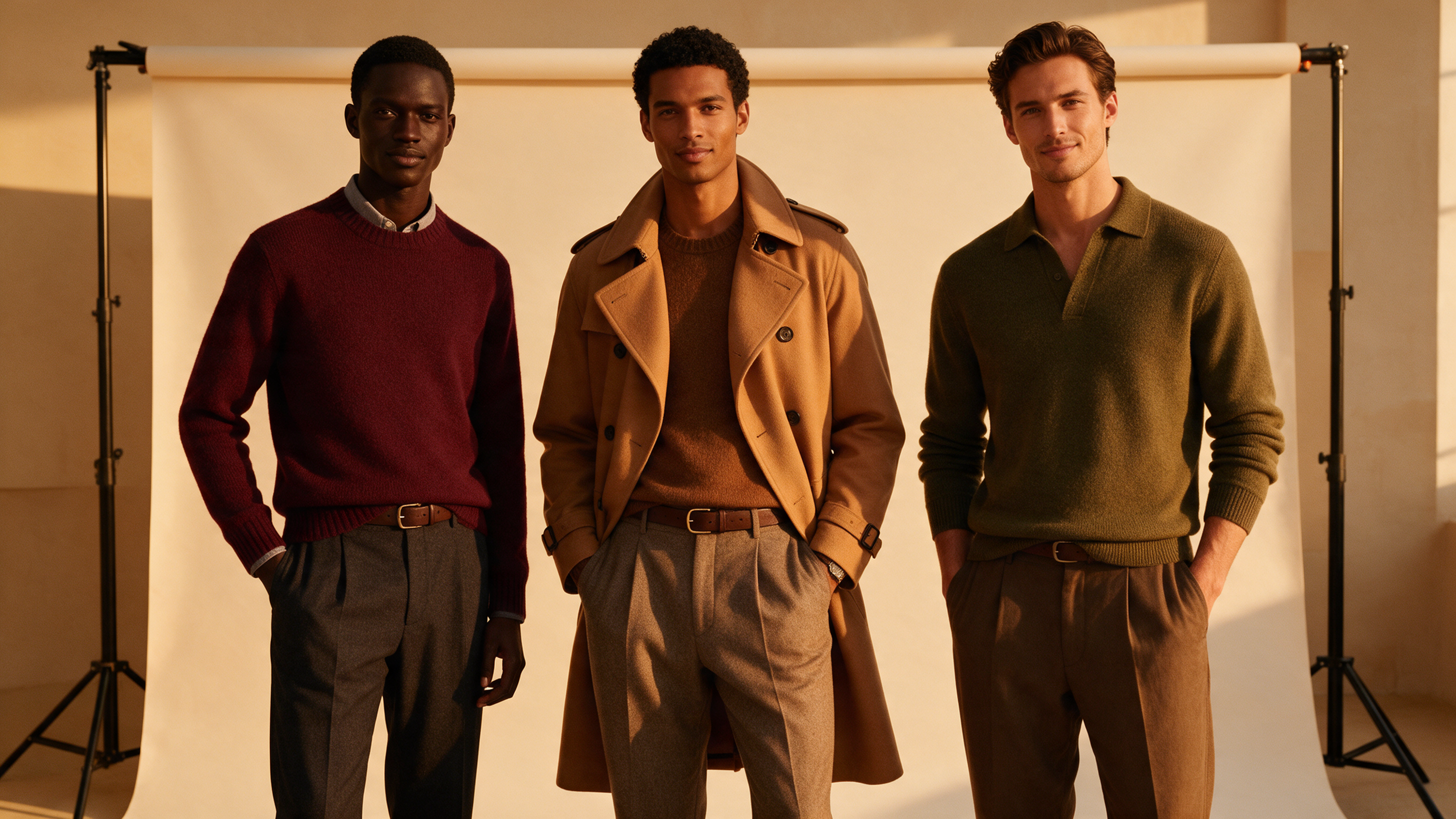
Do not want to run the undertone tests? These eight colors are reliably excellent across deep, medium, and light brown skin — build your first capsule around them and you cannot lose: emerald green, cobalt blue, burgundy/wine, burnt orange, crisp white, charcoal, camel, and lavender. That is your dark skin color palette core; everything else is decoration.
One more tool before you spend a dollar: the face-framing test. When you try anything on, stand in natural light and look only at the triangle formed by your hairline, jaw, and collar. If your skin looks brighter and your eyes more awake in that triangle, the color is yours. If you look tired or slightly gray, it is not — regardless of what this or any guide says. Rules get you to the fitting room; the mirror makes the final call.
For ongoing palette inspiration beyond this guide, editors at Vogue and GQ's style desk regularly break down how color works on real bodies, not just runway models — and dapperQ, the long-running queer style platform that brands its mission "ungendering fashion," has spent over a decade documenting queer style across every body and skin tone.
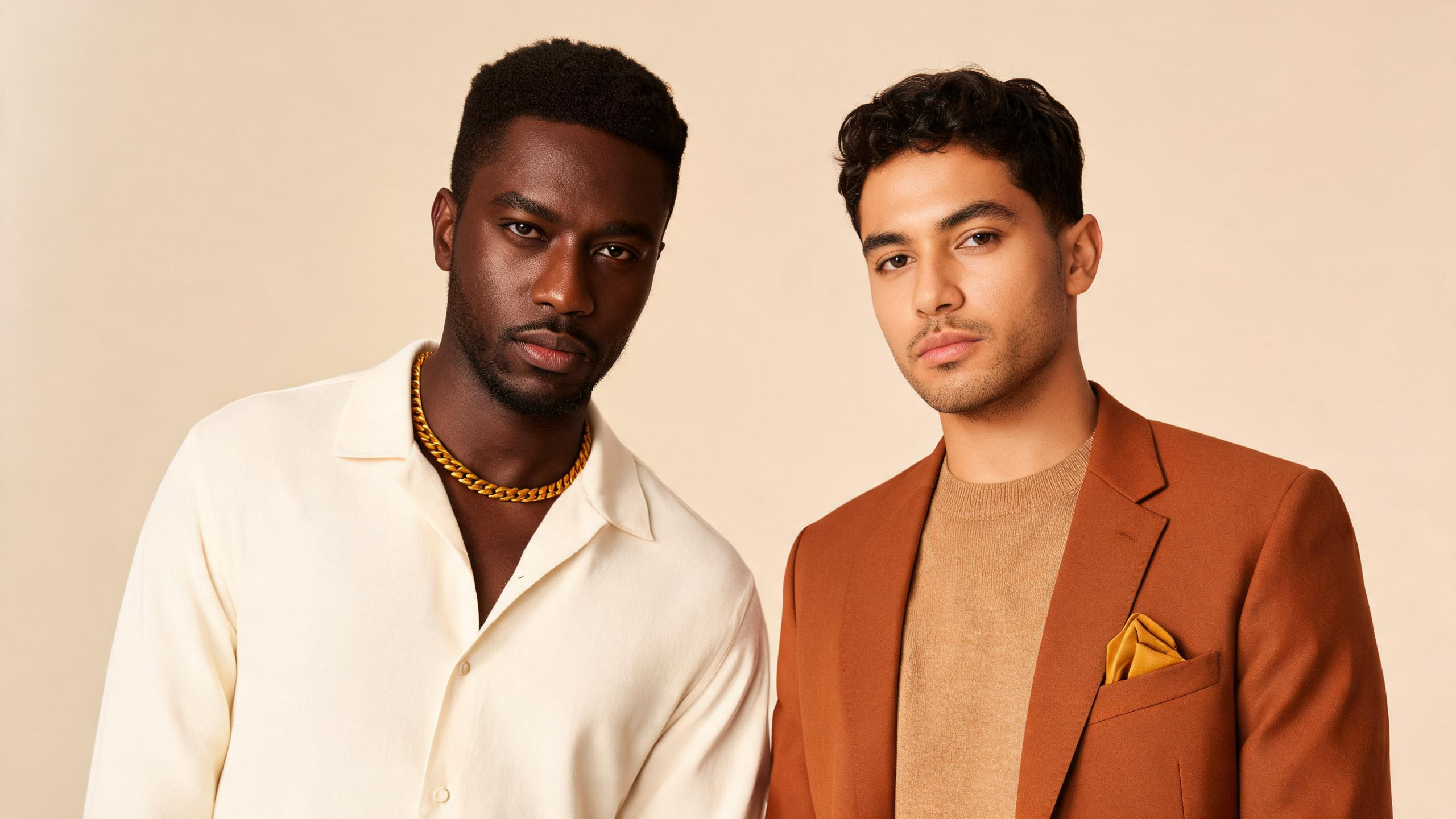
2. "What Do I Even Wear to That?" — Queer Outfit Ideas for Five Real Occasions
Queer social life comes with a dress code no department store publishes. Here are five complete, wearable formulas — each one uses the color logic from Section 1, and each one can be rebuilt in your own palette. One meta-rule before the formulas: dress for the venue's physics, not its Instagram. A rooftop in July, a warehouse party, and a garden wedding demand different fabrics no matter how good the outfit looks in a mirror. Check the venue, check the forecast, then dress.
2.1 The First Date
Dress like the best version of your everyday self, not a costume. The proven formula: a fitted monochromatic look in one of your power colors — all cream, all burgundy, all cobalt, all rust. Monochrome reads intentional and confident, needs zero color-matching skill, and is genuinely flattering across skin tones. Layer one texture difference (matte tee plus satin overshirt, knit polo plus wool trouser) so the outfit has depth in evening light. Finish with one personal signal — jewelry, painted nails, a silk scarf — so your date gets the real you in the first five minutes. Footnote for nervous shoppers: preview the full look on your own photo with an AI try-on tool like DLOOK before the night, and you will walk in already knowing it works.
2.2 The Office (and Job Interviews)
The modern queer-professional brief: read competent at 9 a.m. and still yourself at 6 p.m. Build on the navy–charcoal–cream axis, then let one element carry identity: a burgundy knit tie, a lavender dress shirt under a charcoal blazer, or a lapel pin in a Pride design that reads as jewelry to anyone outside the community. Fit does more political work than color here — a well-tailored navy blazer signals seriousness faster than any slogan. And remember the representation data cuts both ways: Nielsen's 2024 study found that 42% of U.S. adults say seeing themselves represented makes them more likely to buy from a brand — employers are not blind to that math, and dressing with quiet confidence is part of your professional capital.
2.3 Pride, Marches, and Festivals
Function first, fantasy second — you will walk, sweat, and hug fifty people. The 2026 Pride uniform: a breathable linen or tech-fabric set in your loudest power color, comfortable statement sneakers you have already broken in, one eye-catching layer (mesh top, crochet vest, or metallic overshirt) you can tie around your waist when the heat peaks. Mesh tops and cut-out details are current staples that photograph brilliantly. Sunscreen on every exposed inch — melanin still needs SPF 30+. And pack the small stuff: a crossbody bag (hands free for flags and water), portable charger, and a second layer for when the temperature drops at night. Coverage of queer designers on international runways shows where this maximalist energy comes from — street-level queer style has been pushing it for decades.
2.4 Everyday Street Style
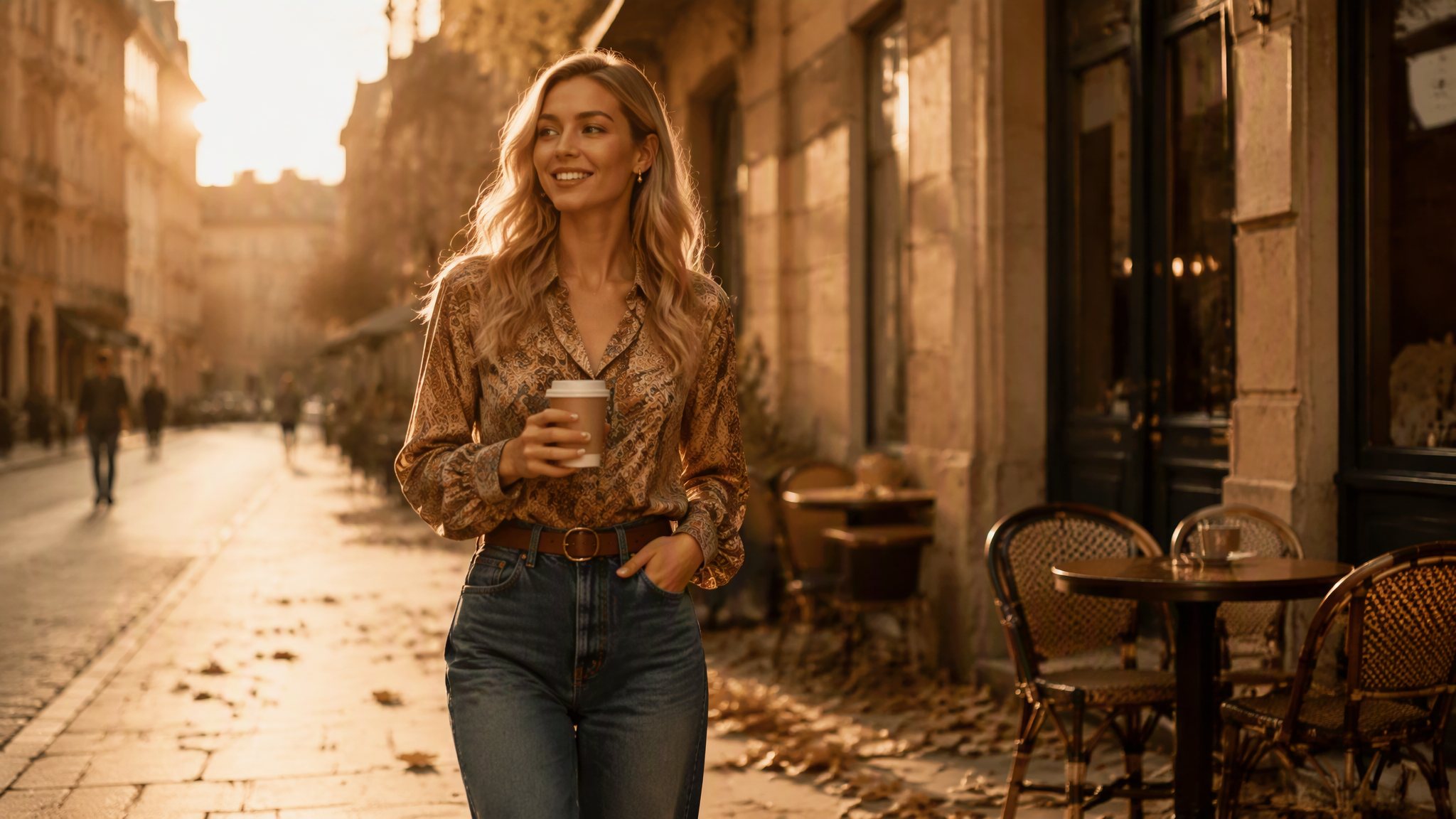
Street style is where Black and Latino queer men have historically led American fashion — from ballroom culture's influence on high fashion to the oversized silhouettes now sitting in every mall. The everyday formula that never misses: straight or wide-leg denim in a clean wash, a fitted or boxy tee in one of your eight universal colors, an open overshirt, and one piece of hardware (chain, watch, rings). Rotate the overshirt color by season: olive in fall, cream linen in summer, rust flannel in deep winter. This is also the easiest place to run quiet queer signals — lavender, pastels, and certain silhouettes have been community shorthands for generations. Proportion tip: if the top is oversized, keep the bottom straight; if the bottom is wide, keep the top fitted. One relaxed silhouette per outfit looks styled; two looks like you got dressed in the dark.
2.5 Weddings and Formal Events
Swap the default black suit for deep green, burgundy, or chocolate brown — the exact palette from Section 1 that flatters brown skin and stands out in a sea of rented navy. A chocolate-brown suit with a cream knit tie and gold jewelry is a genuinely advanced move that photographs like a magazine editorial. If the invite says black tie and you want to stay classic, midnight blue beats black for exactly one reason: on deep warm skin it creates cleaner contrast at the collar line. Editorial teams at Vogue have tracked this color shift in menswear for several seasons running — you are early, not wrong.
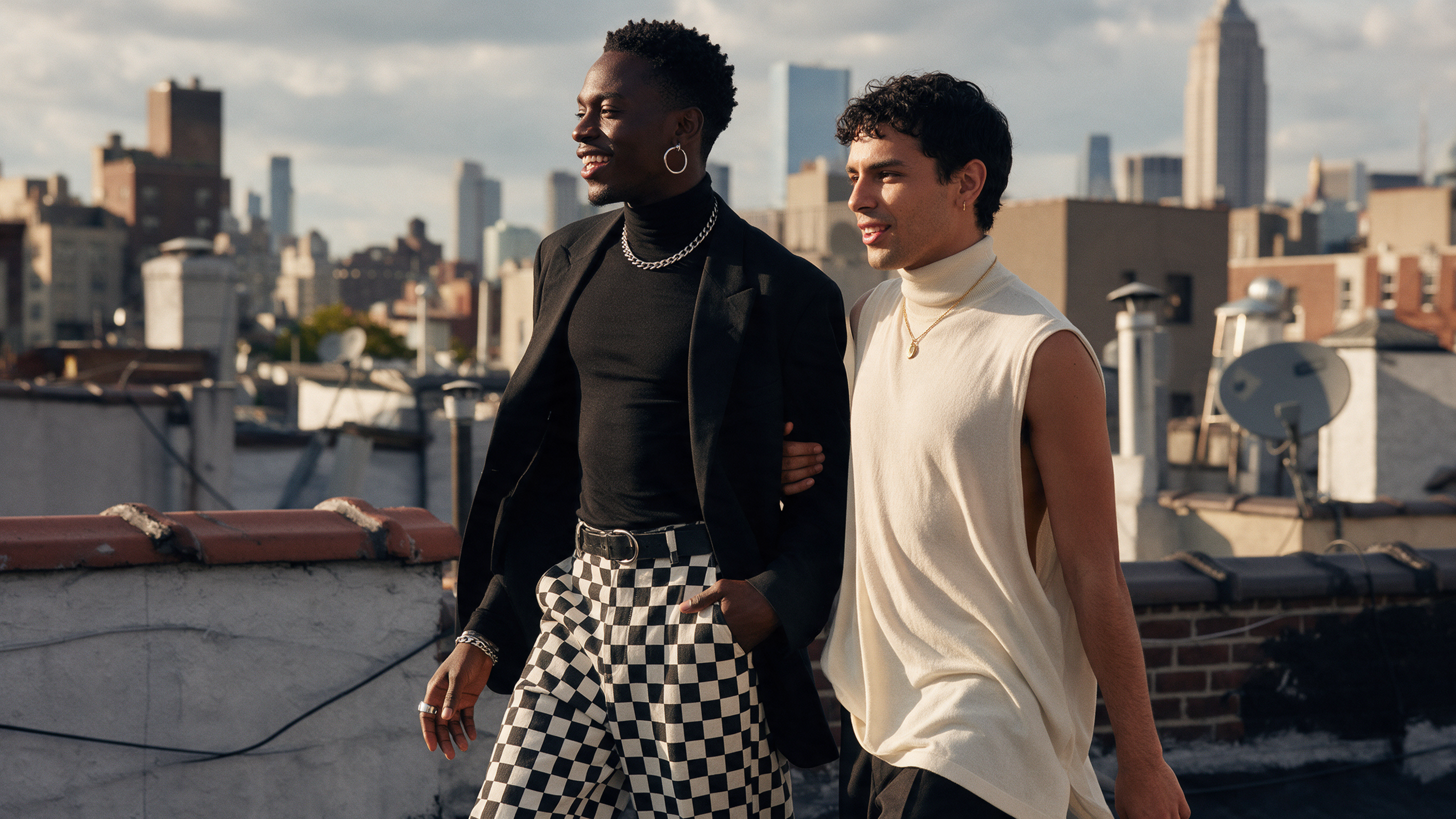
3. "Menswear Is Never Cut for My Body" — Fit Fixes, Fabric, and Brands That Actually Work
Ask a group of Black or Latino men about shopping and you will hear the same stories: the shirt that fits the shoulders but balloons at the waist, the pants that fit the thighs but gap at the back, the "standard" proportions built for a frame that is not yours. This is not a you problem — it is a pattern-making problem. Here is how to work around it systematically.
3.1 Fit Fixes That Actually Work
Size for the widest point, then tailor the rest. Buy the jacket for your shoulders and chest, then spend $15–30 taking in the waist. A tailored $60 shirt always beats an ill-fitting $120 one.
Learn your three numbers. Shoulder width, chest, and inseam — saved in your phone's notes app. They matter more than S/M/L labels, which vary wildly between brands.
Stretch is your friend. Look for 2–5% elastane in trousers and denim. It solves the classic thigh-to-waist ratio problem without a tailor.
Check the garment measurements, not the size. Any brand worth buying from publishes a size chart with actual inches. Measure a shirt you love and match it.
Use AI try-on before you buy. Apps like DLOOK show how a piece looks on a body with your proportions before it ships, which cuts the return pile — and the dressing-room frustration.
3.2 Fabric and Cut by Body Type
Stocky or muscular build (broad shoulders, big chest/thighs): Your enemy is excess fabric; your friend is structure. Choose medium-weight fabrics with drape — wool blends, structured cottons, ponte — over thin clingy knits and over stiff thick denim. Straight or tapered trousers in stretch fabric solve the thigh-to-waist equation. Avoid: skinny fits (they exaggerate proportion), double-breasted jackets that add bulk at the midsection, and loud large prints on the largest areas. Hem trousers with little to no break to lengthen the leg line.
Tall and slim: Your problem is the opposite — fabric that hangs like a sack. Add visual weight with texture (corduroy, waffle knits, quilting), horizontal interest (stripes, color-blocking), and layered outfits. Oversized and boxy silhouettes — a cornerstone of current queer style — were practically designed for this build. Avoid ultra-skinny cuts that amplify height and make you look like a line drawing.
Shorter stature: The goal is an unbroken vertical line. Monochrome outfits (see Section 2.1) are your best friend. Choose high-rise trousers, tucked or cropped tops, and outerwear that ends at the hip rather than mid-thigh. Small-scale patterns beat large ones. Avoid: cropped wide-leg pants that cut the leg in half, and bulky sneakers that ground your frame.
3.3 Brands and Where to Shop
For diverse fits and sizes: Several mainstream-adjacent brands now publish extended size runs and athletic or "big and tall" cuts with real measurement charts — prioritize any brand that shows garment measurements rather than vanity sizes. Stretch-trouser lines (2–5% elastane) from mall-tier brands are genuinely good now and often under $60.
For identity and craftsmanship: Who What Wear's feature on Latinx designers from around the world is a strong starting list if you want pieces that carry cultural texture and artisan references — a real consideration for Latino queer men navigating between heritage and U.S. queer contexts. Black-owned and Black-led labels, many founded by queer creatives, cover everything from streetwear to suiting; the coverage landscape around Black queer style creators has expanded rapidly, and following working stylists and designers on social platforms remains one of the most practical style educations available — community documentation platforms have filled the gap mainstream media left open, as them. and dapperQ have long argued.
For budget shopping: thrift and secondhand first (more in Section 4). Major-metropolis secondhand shops are goldmines for the very designer pieces queer runway culture celebrates — at 80% off retail.
One rule that filters every brand: if a brand will not publish garment measurements, it does not deserve your money. Measurement-first brands are telling you they cut clothes for real bodies; size-only brands are asking you to guess. This single filter eliminates most of the frustration queer men of color report with mainstream menswear, and it makes online shopping — where the selection actually is — dramatically more reliable.
4. "Style Costs Money I Don't Have" — The Budget Capsule Wardrobe
Queer men of color in the U.S. face well-documented income gaps, and community wisdom reflects it: the best-dressed people you know are often the best thrifting. Style is a system, not a shopping spree.
Start with a 10-piece capsule in your power palette. One great pair of jeans, two trousers, three tops in your best colors from Section 1, one statement jacket, two pairs of shoes, one accessory that reads "you." Every piece must pair with at least three others.
Thrift with a target list. Go in hunting specific colors and fabrics from this guide, not "something cute." The eight-color universal palette doubles as a thrift checklist. Two field tactics: shop the men's and women's sections both (queer style has never respected the rack labels), and check the fiber content tag before the price tag — natural fibers at thrift prices are how you build a wardrobe that outlasts trends.
Cost-per-wear beats price tags. A $90 jacket worn 60 times costs $1.50 per wear — cheaper than the $30 fast-fashion piece that dies in five.
Let AI do the mixing. A styling app that works with photos of your actual closet — like DLOOK — turns the same ten pieces into dozens of outfits, which is the closest thing to free money in fashion.
5. Dressing by Season: How to Shift Your Palette Year-Round
Your undertone does not change with the weather, but your fabrics, weights, and color temperature should. A simple seasonal rotation built on the same core palette:
Spring: Lighter weights of your warm pastels — lavender, peach, mint, cream. Linen and cotton overshirts replace heavy jackets. This is pastel season, and brown skin carries pastels better than any complexion on earth — lean in.
Summer: Maximum contrast season. Crisp white, cobalt, turquoise, and hot pink in breathable linen, seersucker, and tech fabrics. Shorts and relaxed trousers; keep jewelry minimal in heat (sweat plus metal is no one's friend).
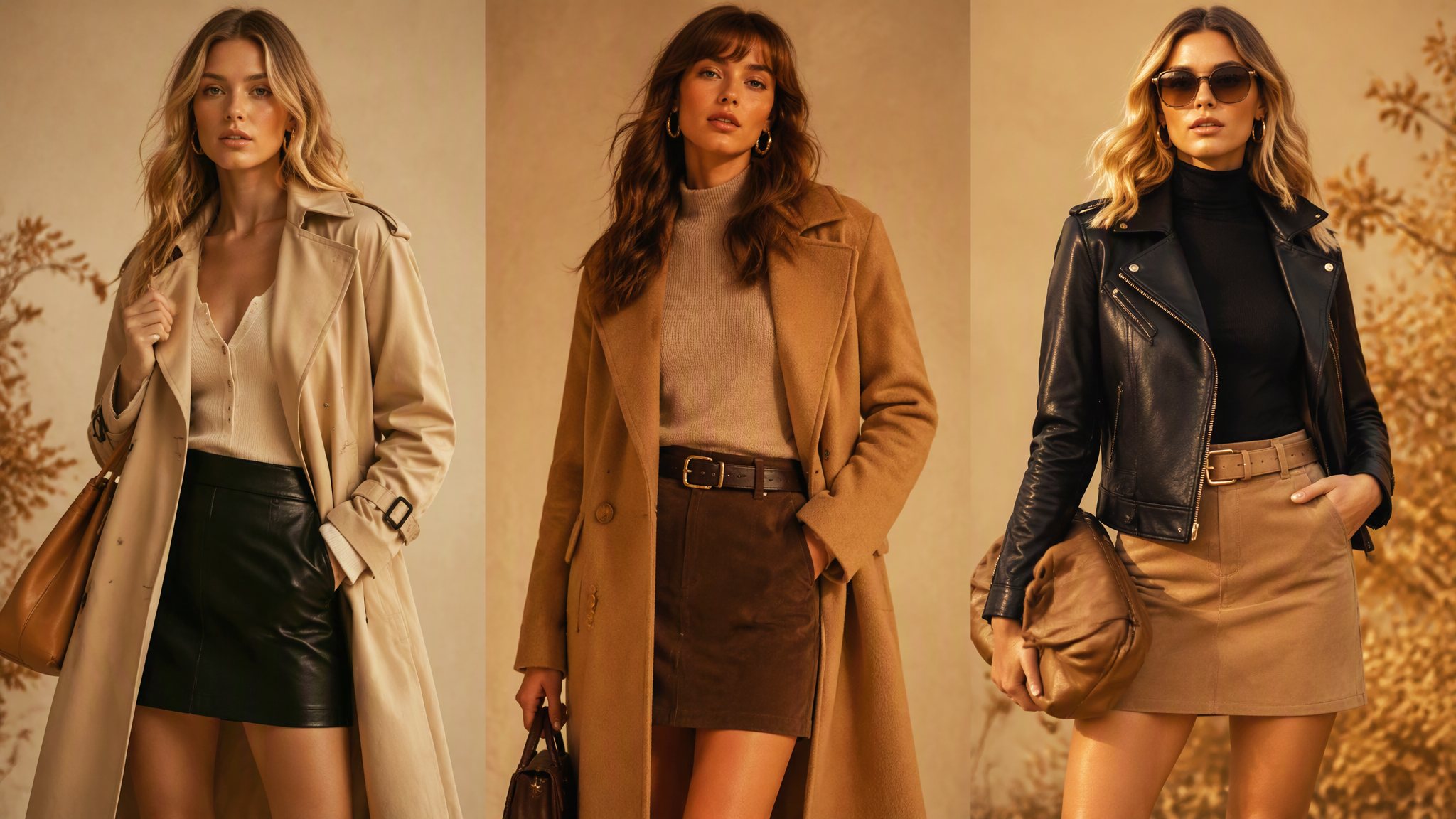
Fall: Your richest quarter — rust, mustard, burgundy, chocolate, olive in corduroy, wool, and heavyweight cotton. Tonal brown-on-brown outfits peak here. If you buy one thing: the rust or chocolate overshirt.
Winter: Deepen everything: emerald instead of mint, wine instead of coral, charcoal over light gray. Layering season rewards the capsule system — every fall piece should still work under a winter coat.
A concrete four-season rotation on one capsule: spring — lavender tee, ecru trousers, white sneakers; summer — crisp white linen shirt, relaxed cobalt shorts, leather sandals; fall — rust knit, chocolate trousers, suede boots; winter — burgundy sweater under a charcoal overcoat, dark denim, chelseas. Sixteen items, four seasons, zero guesswork — and every color is drawn straight from the Section 1 palette.
6. "How Queer Can I Dress Today?" — Self-Expression, Code-Switching, and Staying Safe
Here is a pain point almost no mainstream style guide will touch: for many queer men of color, getting dressed includes a safety calculation. GLAAD's 2025 research notes that most LGBTQ Americans — and especially queer and trans people of color — expect discrimination to persist, which means the closet sometimes follows you into the closet. The goal of this section is not to scare you into beige; it is to give you dials, not switches.
The statement-piece dial. You do not owe anyone full glam every day. One intentional element — a bold color from Section 1, a piece of jewelry, a patterned sock, painted nails — signals identity on your terms and dials up or down by context.
Read the room, not the rules. Job interview, family cookout, first date, Pride march — each calls for a different volume. Build a mental "dial map" for your recurring spaces so dressing stops being a daily negotiation.
Community signals travel quietly. Color codes (lavender, pastels), certain silhouettes, and jewelry choices are long-running queer shorthands. They let you be legible to the people who matter and unremarkable to the people who do not.
Your body, your archive. Queer style has always been about remixing — taking what was never designed for us and making it speak. That instinct is a skill, not a workaround. The platform dapperQ has spent years documenting exactly this practice under the banner of "ungendering fashion": masculine queer fashion is not a compromise between menswear and womenswear — it is its own tradition.
7. The Finishing Layer: Jewelry, Grooming, and the Details That Pull It Together
Two outfits with the same clothes can read completely differently based on the last 5% — the details. This is the cheapest, queerest, most personal part of getting dressed, and it is where men of color have an unfair advantage.
Gold versus silver. Revisit the jewelry test from Section 1.1: warm and golden undertones were born for gold — and most brown skin leans warm. Gold chains, rings, and watches do not just accessorize brown skin; they amplify it. Cool olive undertones look sharper in silver and gunmetal. Mixed metals are fully acceptable in 2026; just keep one dominant so it reads intentional.
The chain stack. Layered gold chains are a cornerstone of both Black and Latino men's style and queer nightlife style — the overlap is the look. Start with one mid-length curb or cuban chain, then add a thinner rope chain at a second length. Two is a stack; five is a costume (unless it is Pride, in which case five is correct).
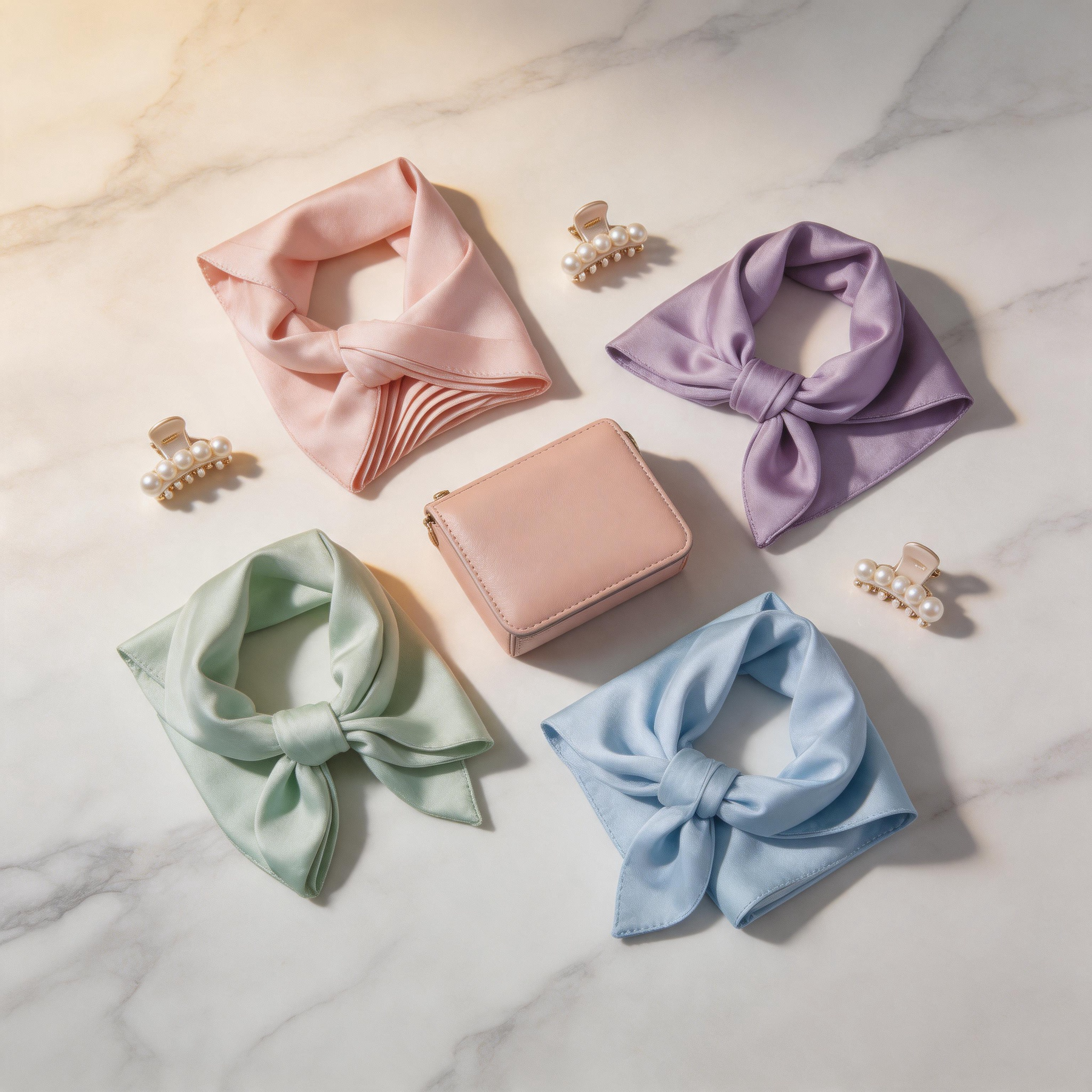
Rings, nails, scarves. A single signet or pinky ring reads classic; stacked rings read creative. Painted nails remain one of the most visible, low-cost queer style statements for men — a matte dark green or deep red flatters brown skin specifically. A silk scarf at the neck, wrist, or bag handle adds color and movement for under $25.
Grooming as color theory. A clean hairline and shaped beard sharpen every outfit more than any purchase. Facial hair also functions as a color block: a full beard in deep tones pairs best with the burgundy–camel–cream axis, while a clean shave lets hot pinks and bright whites take the face. And sunscreen is non-negotiable year-round — protecting your skin's tone and texture is the longest-running style investment there is.
Fragrance is the invisible outfit. People remember how you looked for a day and how you smelled for a week. Warm skin amplifies amber, tobacco, vanilla, and wood notes; citrus and green notes read fresh on everyone. One signature scent worn consistently becomes part of how your community identifies you in a crowd.
FAQ: Queer Fashion for Men of Color
What colors look best on brown skin men?
Emerald green, cobalt blue, burnt orange, mustard, burgundy, and crisp white are the most reliably flattering colors for brown and dark skin. The real key is undertone: warm (golden) undertones glow in rust and mustard, while olive undertones come alive in emerald and wine. Test your wrist veins in natural light to find your undertone.
What colors should men with dark skin avoid?
There are no outright bans — but beige and nude tones that sit close to (yet do not match) your skin can look flat, and ash-gray or "greige" can drain warm undertones. If you love those shades, anchor them with a stronger color near your face or a gold accessory. Confidence rescues almost any color; context is a better filter than rules.
Can men with brown skin wear pastels?
Yes — better than anyone. The old advice that pastels wash out "non-white" skin is written for one undertone only. Lavender, peach, mint, and baby blue read fresh and intentional on brown skin. Lavender in particular carries a long history in queer style culture, making it both flattering and meaningful.
How can a queer man dress expressively but still look professional?
Use the statement-piece dial: keep the base professional — well-fitted trousers, a solid top in a power color — and let one element carry identity, such as jewelry, a pastel accent, or an unconventional silhouette. Editorial coverage from them. shows queer professionals navigating exactly this balance every season.
Where can I find clothes that fit a muscular or stocky build?
Size for your shoulders and chest, then tailor the waist; prioritize stretch fabrics with 2–5% elastane; and favor brands that publish actual garment measurements. Athletic and big-and-tall cuts have improved dramatically. AI try-on tools like DLOOK help you preview fit before ordering, saving the return cycle.
Is queer fashion just for Pride season?
Absolutely not. Pride is one event; queer style is a year-round language of silhouette, color, and remixing. Google Trends shows "queer fashion" holds a stable year-round baseline with June spikes — the identity does not clock out on July 1. The queer designers documented by Dazed influence mainstream menswear every single season.
How do I start building a stylish wardrobe with almost no money?
Build a 10-piece capsule in your power colors, thrift with a specific target list, and calculate cost-per-wear before any purchase. A free AI stylist app can multiply the outfits you get from the same pieces — download it on the App Store or Google Play.
What is "queer style," exactly?
Queer style is not a dress code — it is an approach. It means dressing from identity and intention rather than default gender rules: remixing silhouettes, colors, and references that mainstream menswear says "do not go together," and making them speak. Platforms like dapperQ have documented it for years as "ungendering fashion" — the clothes are the vocabulary; your identity is the grammar.
How do I dress queer without my family or coworkers knowing?
Dial, do not switch. Quiet signals — a lavender sock, jewelry worn under a cuff, a silhouette detail only the community reads — let you carry identity privately. Build the habit of one intentional element per outfit; visibility is a spectrum, and you control where you stand on it every single morning.
What should I wear to a first date as a queer man of color?
A fitted monochromatic outfit in one of your power colors (all cream, all burgundy, all cobalt) reads intentional and confident, with zero color-matching risk. Add one texture contrast and one personal signal. Preview the full look with an AI try-on tool like DLOOK so you arrive already knowing it works.
Conclusion: Your Skin Was Never the Problem
The fashion industry spent decades designing around one body and one complexion — and then blamed everyone else for "hard to dress" skin. The truth this guide is built on: brown skin is not a styling obstacle; it is a styling advantage. Emerald, cobalt, rust, and gold were practically invented for it. The real work is fit, context, and confidence — and all three are learnable.
And if this guide felt long, remember the short version: know your undertone, wear your eight power colors, size for your shoulders, tailor the waist, and let one detail a day say who you are. Everything else — the occasions, the seasons, the capsules — is just that sentence applied to different rooms.
In 2026, with a community whose purchasing power measures in the trillions and queer designers steering runways worldwide, there has never been a better moment to dress exactly like yourself. Start with one power color this week. Then let technology handle the math: the DLOOK AI stylist builds outfits around your skin tone, your proportions, and your closet — try it free on the App Store or Google Play.