By DLOOK Fashion Editor Team
If you have ever looked at a runway show, a street-style gallery, or your own closet and thought, “I have seen this before,” you are right. Fashion is famously cyclical. Styles that once felt dated suddenly feel fresh again, often with a modern twist that makes them wearable for today. The trick is knowing why trends return and how to wear them without looking like you are wearing a costume.
In this guide, the DLOOK Fashion Editor Team breaks down the fashion cycle, highlights the comeback trends dominating right now, and gives you practical styling formulas. We also show you how an AI outfit stylist can turn one vintage piece into dozens of modern looks.
Why Fashion Trends Come Back: The Fashion Cycle Explained
Every major trend follows a pattern known as the fashion cycle. A style is introduced, rises to popularity, peaks, declines, and eventually becomes outdated. After enough time has passed, it is rediscovered, reimagined, and reintroduced as something new. This cycle is driven by nostalgia, cultural memory, and the simple fact that designers constantly look to the past for inspiration.
According to fashion trend theory, the cycle has five recognizable stages: introduction, rise, peak, decline, and obsolescence. Revival happens when a new generation discovers the style, or when social media and streaming platforms bring older aesthetics back into daily view. Digital archives mean that a runway look from two decades ago can go viral overnight, accelerating the return of a once-forgotten silhouette.
There is also a practical side to the cycle. Vintage and secondhand shopping has made archived pieces easier to find, and consumers are increasingly interested in reusing quality garments rather than chasing disposable trends. This has turned the fashion cycle from a purely aesthetic loop into a more sustainable way of dressing.
The Biggest Comeback Trends Right Now
Vintage experts and stylists are pointing to several clear directions for the current revival wave. Vogue UK trend coverage regularly highlights how archival looks return in modernized form, from Nineties minimalism and early Twenty-Tens minimalism to Eighties power dressing, Noughties influences, and statement vintage accessories.
Each of these directions has one thing in common: they are being reintroduced in cleaner, more wearable ways than their original versions. The goal is not to copy an old photograph. It is to borrow the best part of an era and make it feel current.
How to Style Comeback Trends Like a Modern Wardrobe
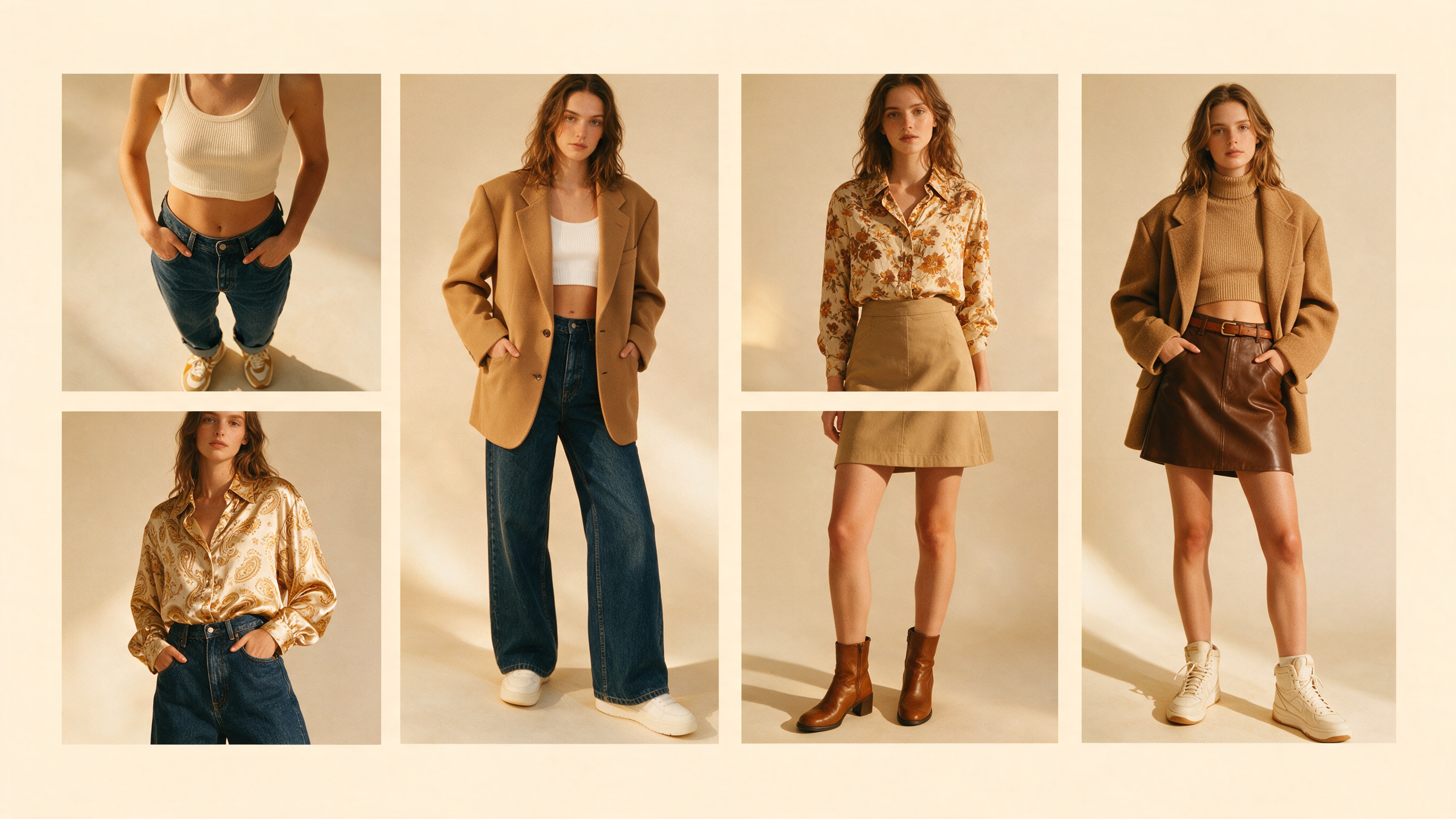
Styling a comeback trend is about balance. You want the piece to read as intentional, not theatrical. Here are five formulas that work in real life.
1. Nineties Minimalism: Slip Dress + Oversized Blazer
Take a bias-cut slip dress in silk or satin and layer it under a structured blazer. Add chunky loafers or knee-high boots for daytime, or swap in strappy heels for evening. The contrast between the delicate dress and the strong jacket keeps the look modern.
2. Eighties Power Dressing: Shoulder-Pad Blazer + Wide-Leg Trousers
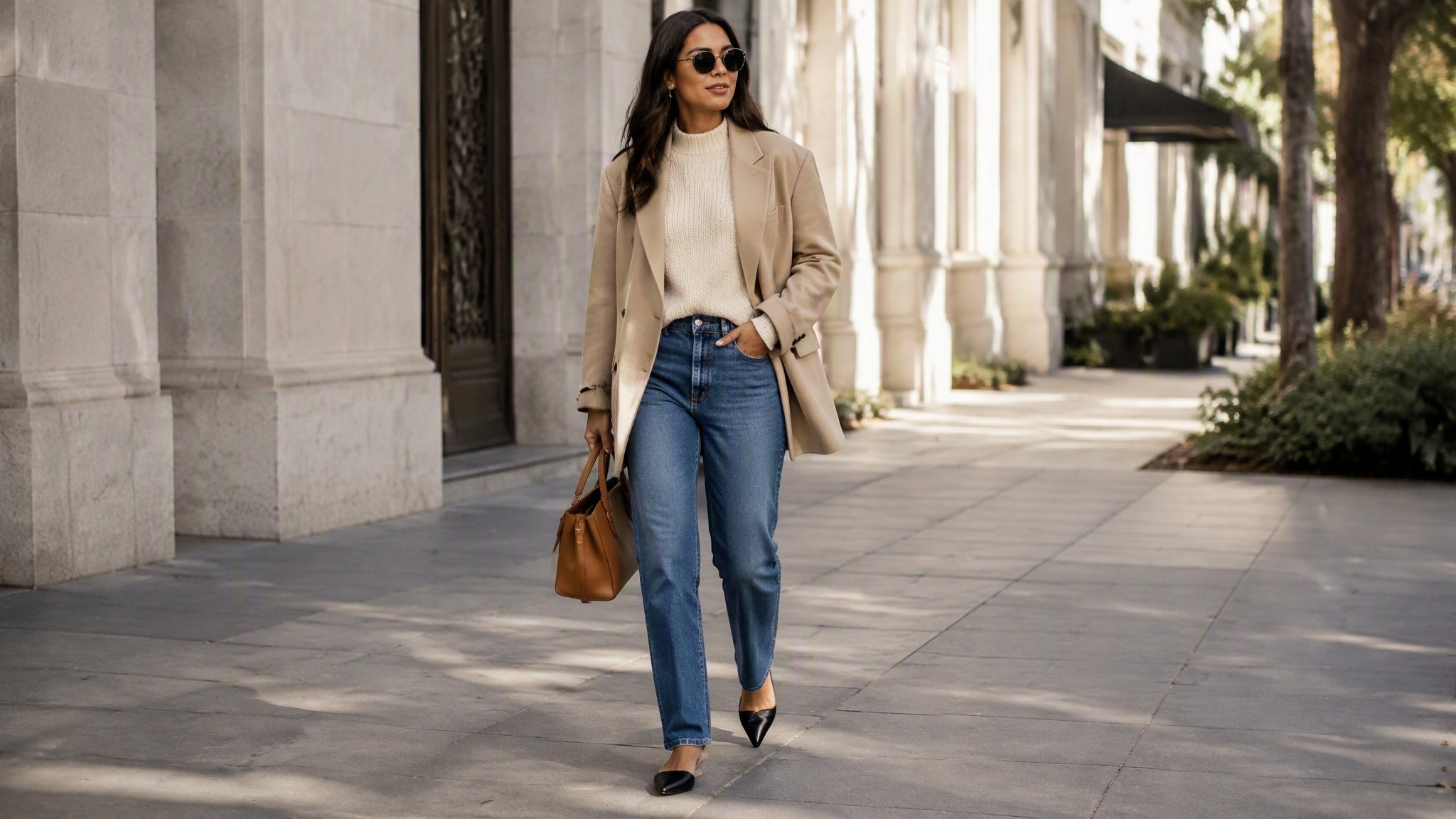
Choose a single-breasted blazer with subtle padding and pair it with high-waisted wide-leg trousers. Tuck in a fitted turtleneck or a crisp white shirt. Finish with pointed-toe flats or a low block heel. The silhouette is strong, but the tailoring keeps it polished rather than overpowering.
3. Early Twenty-Tens Minimalism: Structured Midi Skirt + Tucked-In Shirt
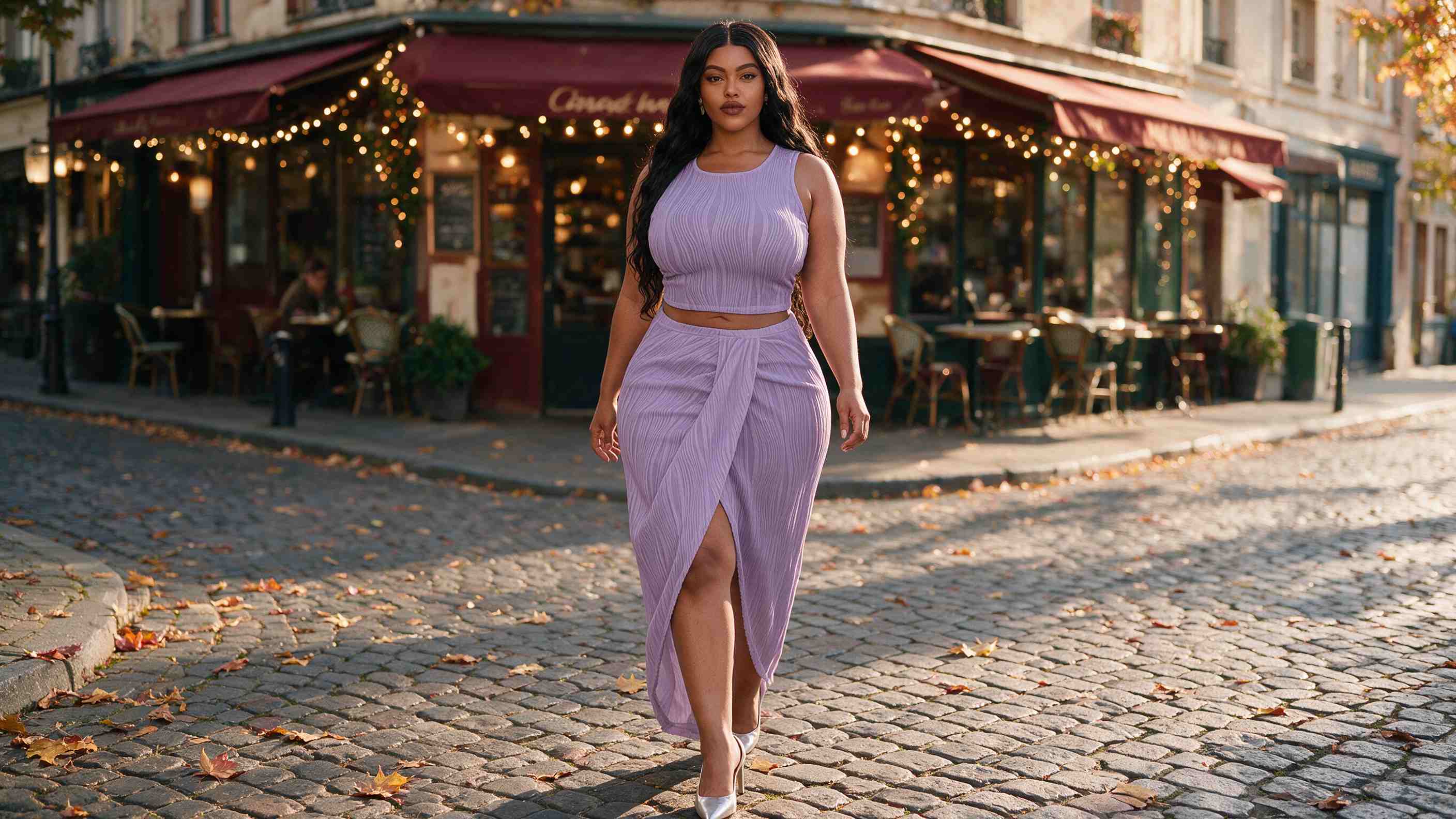
A sleek midi skirt, a tucked-in button-down, and a thin belt create a clean column of color. Keep accessories minimal: small hoop earrings, a structured bag, and one delicate ring. This look works for the office, dinner, or a weekend gallery visit.
4. Noughties Influences: Low-Rise Jeans + Fitted Baby Tee
Low-rise jeans are back, but the key is proportion. Pair them with a fitted baby tee or a cropped knit, then add a long, tailored coat to balance the silhouette. Stick to a neutral wash on the jeans and avoid logos that feel too literal.
5. Vintage Accessories: One Statement Piece
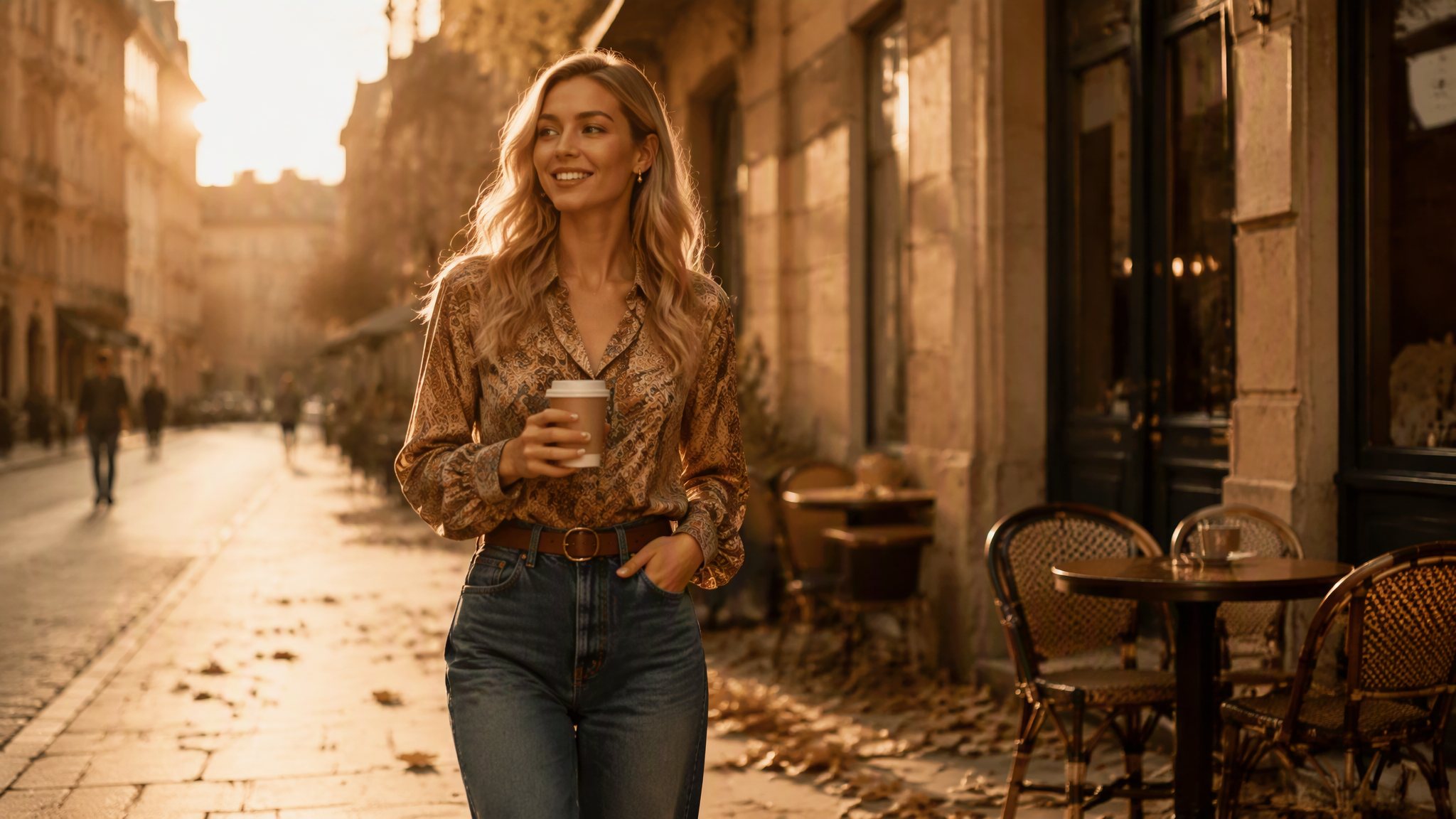
If full vintage feels intimidating, start with one accessory. A silk scarf at the neck, a vintage leather belt, or a bold Seventies-inspired bag can update a basic outfit instantly. Let the accessory be the focal point and keep the rest of the look simple.
The 80/20 Rule: Keep the Look Mostly Modern
A simple rule makes comeback styling effortless: wear 80 percent modern pieces and 20 percent vintage or trend-driven pieces. For example, if you are wearing a vintage Eighties blazer, pair it with modern straight-leg jeans, a clean white T-shirt, and contemporary sneakers. This keeps the outfit grounded in today rather than looking like a theme party.
Fit is equally important. Vintage sizing and cuts often differ from modern garments. Tailoring a waist, shortening a hem, or adjusting shoulder width can make an older piece look like it was made for you. If you are shopping secondhand, prioritize quality fabrics and classic cuts over exact era accuracy.
Let DLOOK Restyle Your Vintage Finds
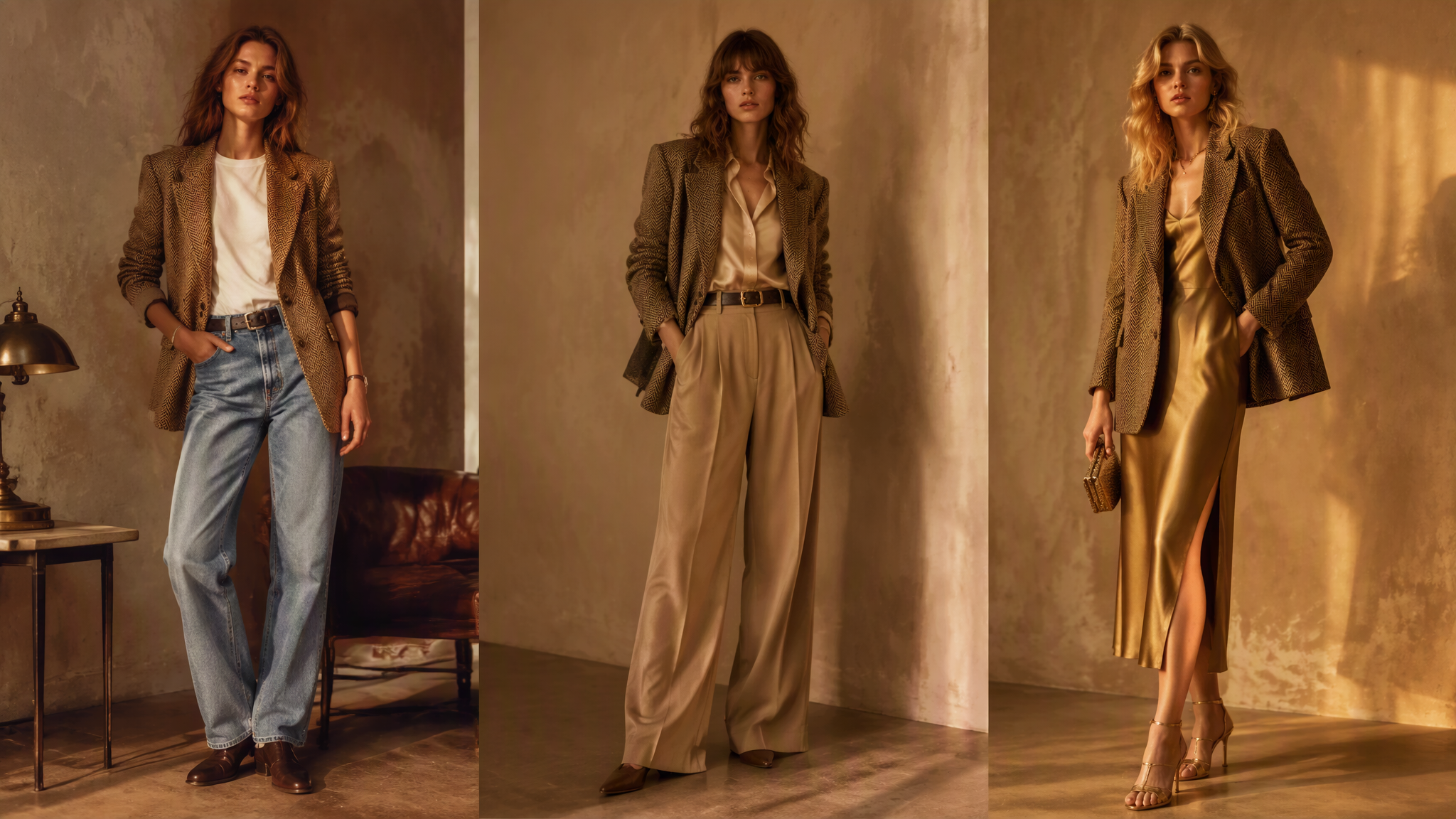
The biggest challenge with a comeback trend is knowing what to do with a single piece once you own it. That is where DLOOK helps. DLOOK is an AI outfit stylist that lets you upload a vintage or archived item and instantly generates modern outfit ideas around it.
Instead of trying to remember every styling rule, you can see the rules in action. Upload a slip dress, a shoulder-pad blazer, or a pair of low-rise jeans, and DLOOK will suggest combinations that match your personal style, body shape, and the occasion. It is the fastest way to turn a nostalgic find into a wearable, everyday look.
Ready to give your closet a second life? Get DLOOK on the App Store or get it on Google Play and start styling your comeback pieces today.
Frequently Asked Questions
Why do fashion trends come back?
Fashion trends return because of a cycle of nostalgia, cultural rediscovery, and designer influence. As a generation grows older, the styles they loved become new again to younger audiences, often updated with modern fabrics and fits.
How long does the fashion cycle usually take?
While the exact timing varies, most fashion historians observe that major trends reappear after roughly 20 to 30 years. This gap allows a style to feel fresh again rather than recently outdated.
How can I wear vintage without looking outdated?
Follow the 80/20 rule: keep 80 percent of your outfit modern and use one or two vintage pieces as accents. Pay attention to fit, and update older items with tailoring so they feel current.
Can AI help me style vintage clothing?
Yes. An AI outfit stylist can analyze a vintage piece and generate modern outfit combinations that match your style and body shape. DLOOK is designed specifically to help you restyle archived and secondhand pieces.
What are the easiest comeback trends to try?
The easiest entry points are Nineties minimalism, vintage accessories, and tailored Eighties-inspired blazers. These pieces mix well with basics you probably already own, making them low-risk ways to try the trend.