Every August, millions of college students across the United States face the same wardrobe dilemma: What do I actually wear when I move onto campus? Between early-morning lecture halls, all-night library sessions, career fairs, and weekend parties, your closet needs to work harder than your GPA. With DLOOK AI, you can skip the guesswork entirely. This comprehensive guide breaks down the back to school outfits that will dominate campuses in 2026—and shows you how to build a capsule wardrobe without the stress, the overspending, or the "I have nothing to wear" panic.
Just tell the app your school location, your major, and your favorite extracurricular activities, and it generates a personalized back-to-school wardrobe plan. No more overpacking ten pairs of jeans you will never wear. No more showing up to a formal event in sneakers. Just a smart, mix-and-match wardrobe that fits your actual life.
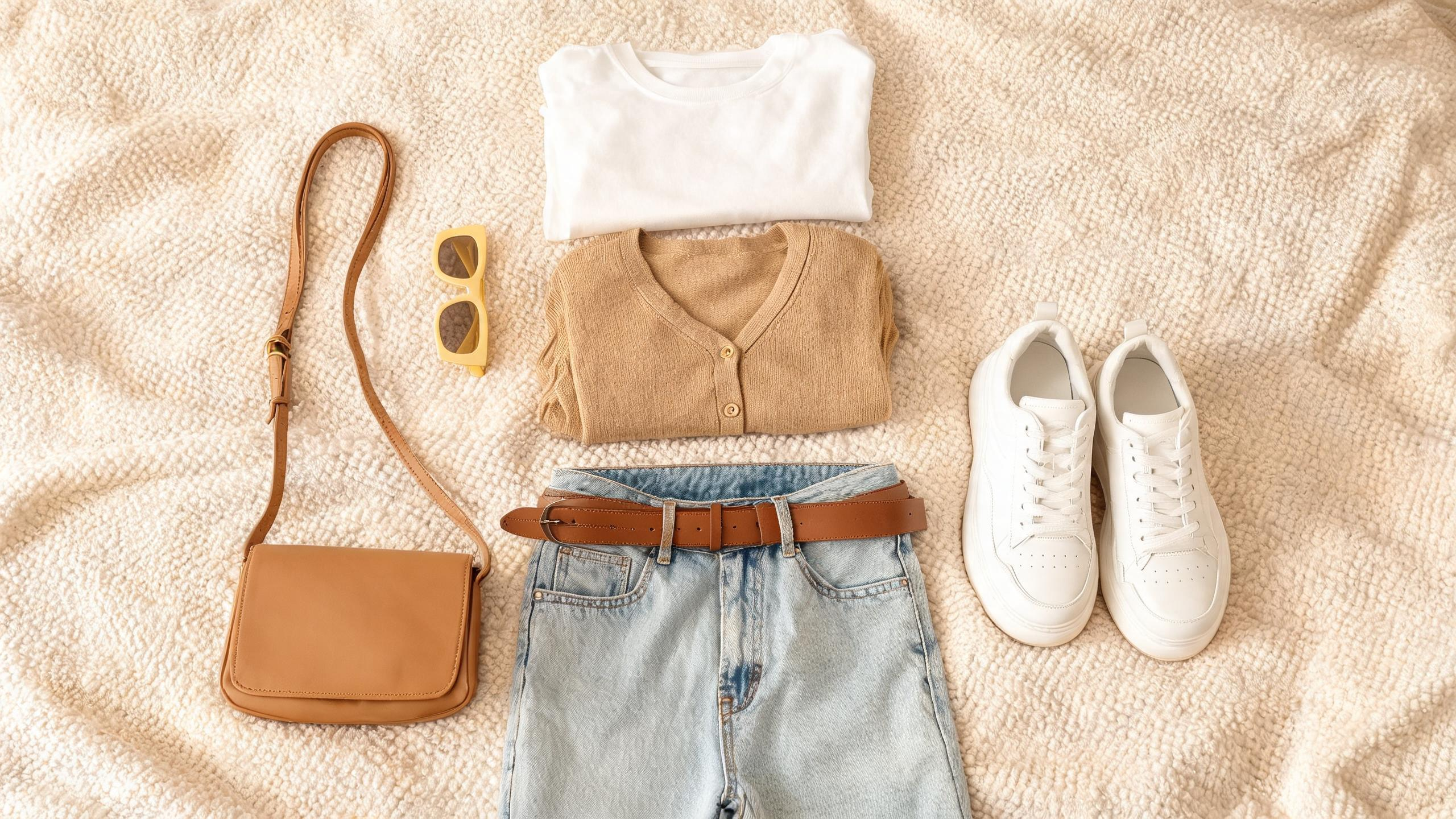
2026 Back to School Fashion Trends
Before you start packing your suitcase or placing online orders, it helps to understand what is actually trending on campus this year. Gen Z and Gen Alpha continue to shape college fashion with a clear focus on three pillars: comfort, individuality, and sustainability. Here are the four biggest trends you will see everywhere in fall 2026.
1. Oversized Everything
Oversized silhouettes remain the defining aesthetic for college students in 2026, and the trend shows no sign of slowing down. From boxy button-down shirts to relaxed-fit trousers and slouchy denim, the movement prioritizes physical comfort without sacrificing visual style. The beauty of this trend is its versatility: you can pair an oversized vintage band tee with bike shorts and sneakers for an 8 AM lecture, then layer an oversized blazer over a cropped tank top for a polished coffee-shop study session. The key is proportions. Balance volume on top with fitted bottoms, or vice versa, to keep the look intentional rather than sloppy.
2. Vintage and Thrifted Mix
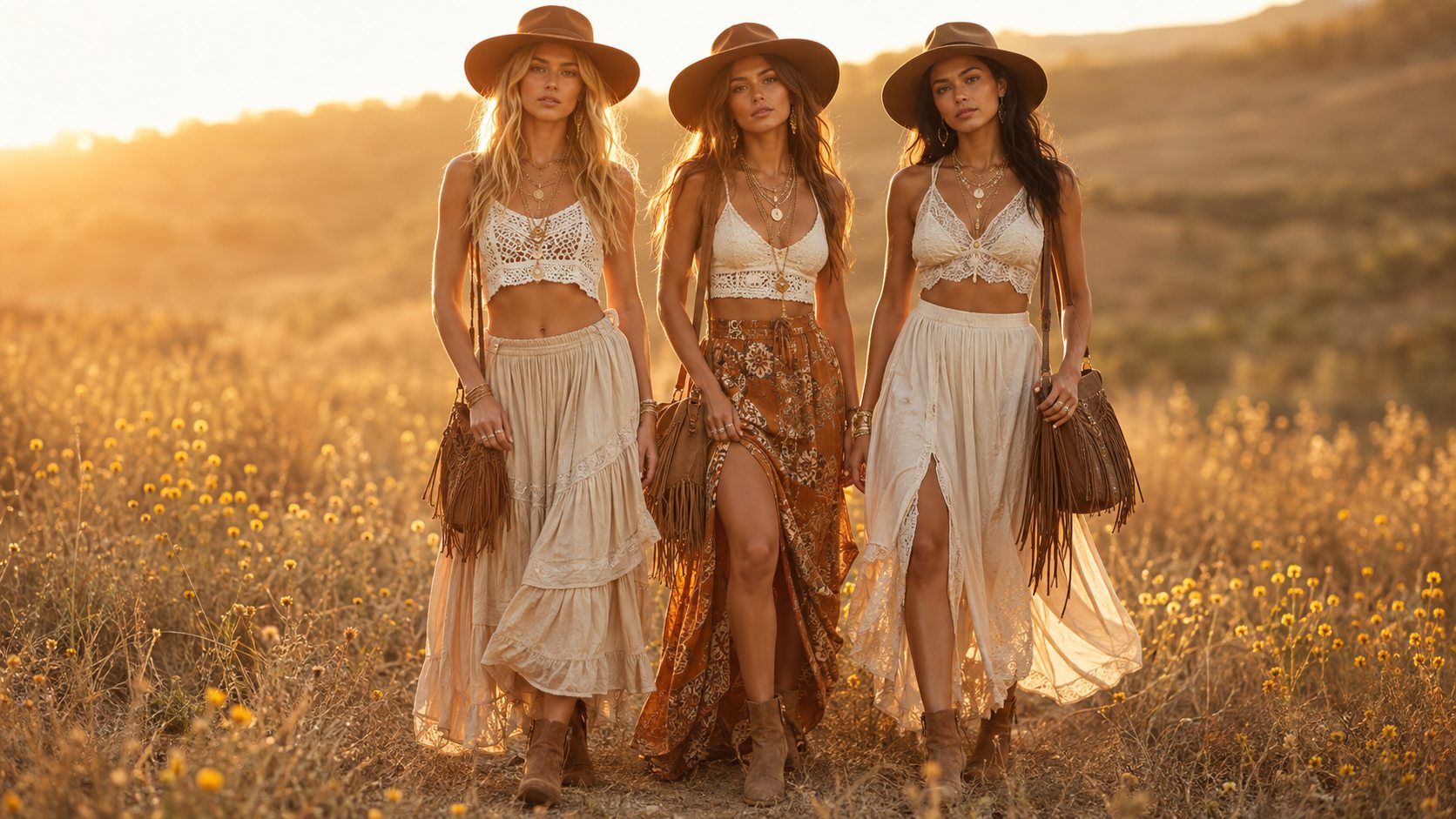
Thrift culture is no longer a niche hobby for fashion enthusiasts—it has become the mainstream default for college students. Young shoppers are actively mixing thrifted denim jackets, retro graphic tees, and vintage accessories with modern basics to create looks that feel authentic and personal. The financial benefit is obvious: a quality vintage leather jacket from a thrift store often costs less than a fast-fashion equivalent and lasts significantly longer. The sustainability angle also matters deeply to Gen Z, who are increasingly aware of the environmental impact of overconsumption. According to U.S. Census Bureau retail data, secondhand and resale segments continue to show steady growth as younger consumers prioritize value and environmental responsibility over disposable trends.
3. Athleisure Everywhere
Leggings, joggers, and sneakers are no longer reserved for gym sessions. Athleisure has evolved into the default campus uniform, successfully bridging the gap between workouts and lectures. In 2026, the trend is maturing: instead of basic black leggings and worn-out hoodies, students are reaching for elevated pieces. Think tailored joggers in neutral earth tones, matching sweat sets with clean lines, and technical fabrics that look polished enough for a presentation. The goal is to look like you made an effort, even when you are wearing the fashion equivalent of pajamas.
4. Quiet Luxury on a Student Budget
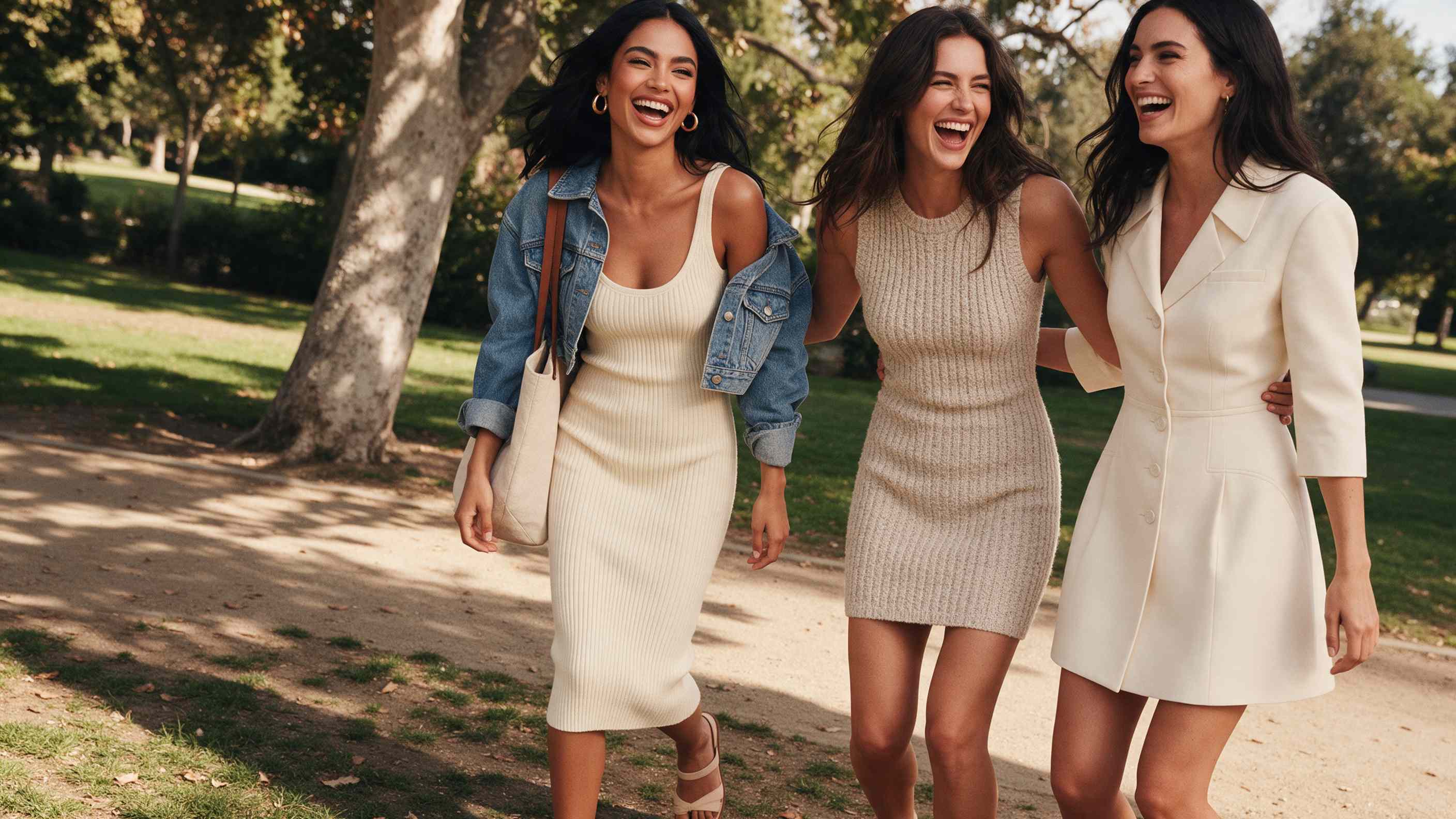
The quiet luxury movement that dominated high fashion has trickled down to college campuses in a practical, budget-friendly form. Students are investing in fewer, higher-quality basics rather than constantly buying cheap trend pieces. The essentials include a well-fitted white cotton tee, a structured canvas tote bag, clean white leather sneakers, and a tailored overshirt. The philosophy is simple: simplicity and fabric quality matter more than flashy logos. This approach not only looks more sophisticated but also saves money in the long run because quality basics last multiple semesters.
Back to School Outfits for Every Scene
College life is not one-size-fits-all, and neither is your wardrobe. You need different looks for different moments, and the transitions happen fast. One morning you are in a lecture hall, and by evening you are at a networking event or a house party. Here is how to dress for the three moments that matter most.
Comfortable Campus Wear
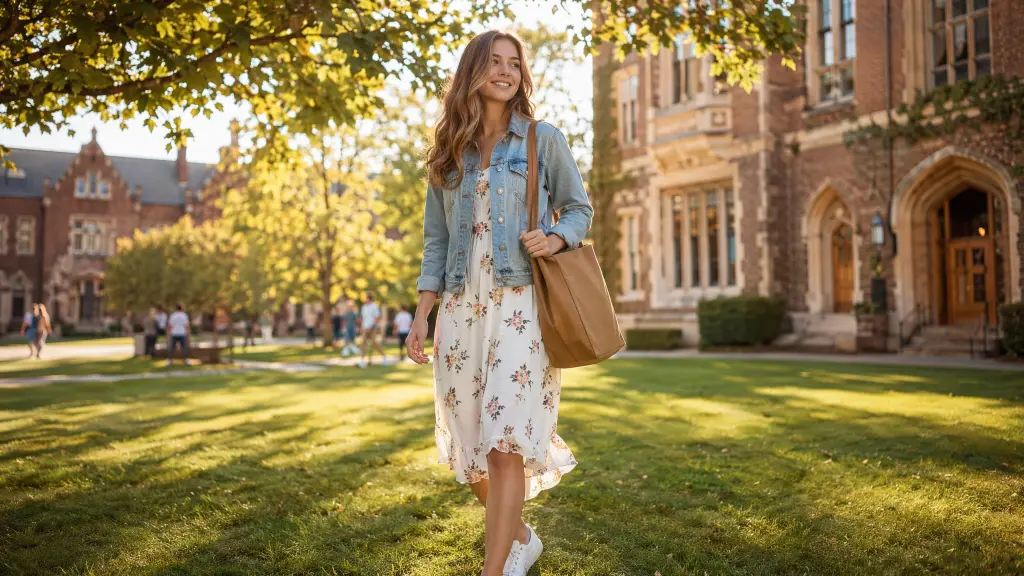
For early lectures, long library sessions, and casual dining hall runs, comfort is the priority. But comfort does not have to mean sloppy. The trick is choosing relaxed pieces that still look intentional.
Winning combo: An oversized hoodie in a neutral or earth tone, paired with straight-leg jeans and platform sneakers. Add a vintage baseball cap if your hair is not cooperating.
Color strategy: Stick to a cohesive palette of three to four colors so every piece mixes and matches. Think cream, olive, washed denim, and white.
Layering game: A lightweight chore jacket or vintage flannel shirt adds instant polish when you need to look presentable for an office hours visit or a group presentation.
Bag choice: A structured canvas tote or a small backpack keeps the look functional without killing the vibe.
These are the college outfit ideas fall students search for most frequently—looks that transition seamlessly from your dorm room to the dining hall to the quad without requiring a full outfit change.

Party and Night Out Looks
When the weekend arrives, your outfit needs to make a statement. Gen Z party style in 2026 blends Y2K influences with modern streetwear edge, creating looks that are eye-catching without trying too hard.
Top picks: Mini skirts paired with corset-style tops, metallic accessories that catch the light, or bold cargo pants with a cropped bralette and an oversized vintage jacket.
Footwear logic: Block-heel boots add height without destroying your feet during a long night. Alternatively, retro sneakers work perfectly for casual house parties.
The golden rule: If you can dance comfortably in it for three hours, you can wear it. If you are constantly adjusting straps or worrying about skirt length, leave it at home.
Accessorize smartly: One bold piece—whether a chunky necklace, statement earrings, or an oversized belt—elevates a simple outfit without overwhelming it.
Career Fair and Interview Outfits
First impressions carry weight when you are networking with recruiters or interviewing for internships. The good news is that business casual in 2026 is far less rigid than it was for previous generations. You can express personality while still looking professional.
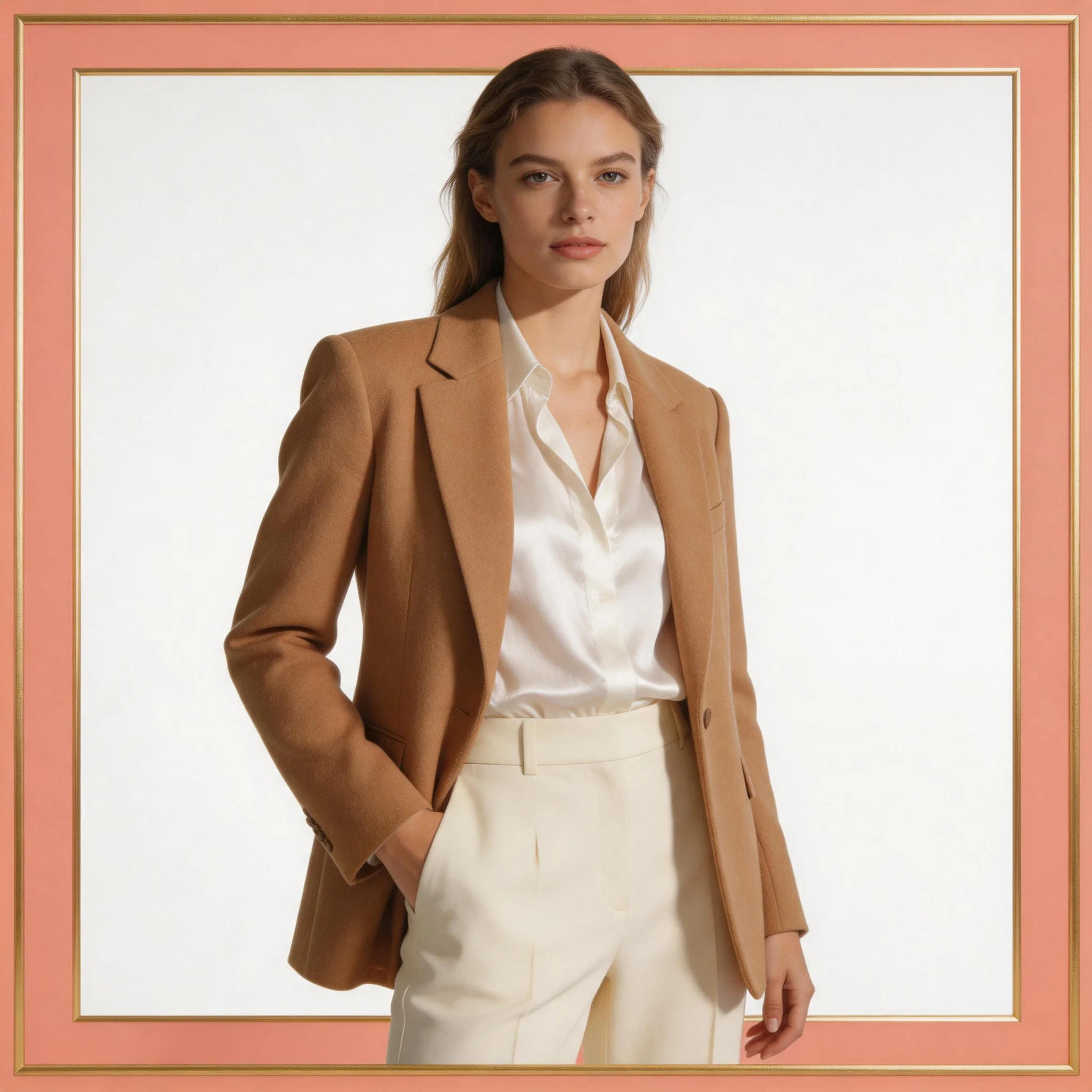
Safe and stylish: Tailored wide-leg trousers paired with a crisp button-up shirt and leather loafers or minimalist sneakers. This combination reads as professional without feeling dated.
Creative twist: A structured blazer in an unexpected but muted color—think sage green, rust orange, or slate blue—adds personality to a standard look.
Fit is everything: A thirty-dollar blazer that fits your shoulders perfectly will always look better than a three-hundred-dollar one that hangs awkwardly. If you thrift something great, spend a few dollars on tailoring.
Grooming details: Clean sneakers are acceptable in many modern workplaces, but they must be pristine. Scuffed, dirty shoes undermine an otherwise sharp outfit.
AI Capsule Wardrobe: Let DLOOK Pack Your Suitcase
Here is where technology changes the game. Instead of throwing random clothes into a suitcase and hoping for the best, you can use DLOOK AI's intelligent wardrobe engine to build a data-driven capsule wardrobe that actually makes sense.
The process is simple and surprisingly powerful:
Input your context: Tell DLOOK your university location because climate matters significantly. A student in Miami needs entirely different pieces than a student in Chicago. Share your major because art students and business students often dress in different environments. List your extracurriculars—whether that is theater, intramural sports, Greek life, or lab research—because each activity demands different clothing.
Receive a personalized plan: DLOOK generates a complete mix-and-match wardrobe with exact outfit combinations for different scenarios. The app accounts for your personal style preferences, whether you lean toward minimalism, vintage aesthetics, or bold streetwear.
Shop smart or thrift smarter: The app suggests specific items to buy, pieces to thrift, and garments you probably already own that can be repurposed. It is like having a personal stylist who understands campus life, real budget constraints, and your individual vibe.
The capsule wardrobe approach means you own fewer pieces overall, but every single item works with multiple others. A well-planned twenty-piece wardrobe can create more than fifty unique outfits. That means less decision fatigue in the morning, less money spent on impulse purchases, and more confidence in how you present yourself every day.
Budget Hacks: College Wardrobe Essentials 2026
The reality of college life is that most students are working with limited funds. Ramen budgets do not leave much room for luxury shopping sprees. These tried-and-tested strategies will help you build a killer wardrobe without draining your bank account or racking up credit card debt.
Follow the Rule of Three: Before buying any new piece, ask yourself if it works with at least three items you already own. If the answer is no, you are buying an orphan, not an addition. This simple rule prevents closet clutter and ensures every purchase earns its place.
Thrift before you buy new: Vintage denim, leather jackets, wool coats, and graphic tees are often better quality at thrift stores than new fast-fashion equivalents. Many thrifted items from the nineties and early two-thousands were made with more durable construction and natural fibers.
Invest strategically in basics: Spend more on items you wear daily—quality jeans, supportive sneakers, a reliable everyday bag—and spend less on trend pieces that might only last one season. A sixty-dollar pair of jeans you wear three times a week is a better investment than a twenty-dollar trend top you wear twice.
Sell and swap to fund refresh cycles: Use resale platforms to sell items you no longer wear. The money you recoup can fund new purchases, creating a sustainable wardrobe cycle without new out-of-pocket spending.
Host clothing swaps: Organize a swap event with friends or dorm neighbors. One person's forgotten jacket is another person's new favorite piece. It is free, social, and sustainable.
These college wardrobe essentials 2026 strategies help you build a closet that looks expensive and well-curated while spending less than a single semester's worth of coffee shop visits. The goal is not to have more clothes. It is to have the right clothes.
Final Thoughts: Start the Semester in Style
The best back to school outfits are not about mindlessly following every trend that appears on your social media feed. They are about building a wardrobe that genuinely fits your life, your budget, your climate, and your personality. Whether you are going for full oversized vintage vibes or clean minimalism, the ultimate goal is to feel confident and comfortable from the first day of orientation through finals week and beyond.
With a little planning and the right tools, you can start the semester looking and feeling your best without the stress of overpacking or overspending. A smart capsule wardrobe gives you more options with fewer pieces, and that means less time worrying about what to wear and more time focusing on what actually matters: your classes, your friendships, and your growth.
Ready to build your perfect back-to-school wardrobe? Download DLOOK AI and get a personalized capsule wardrobe plan in minutes. The app is available on the App Store and Google Play.